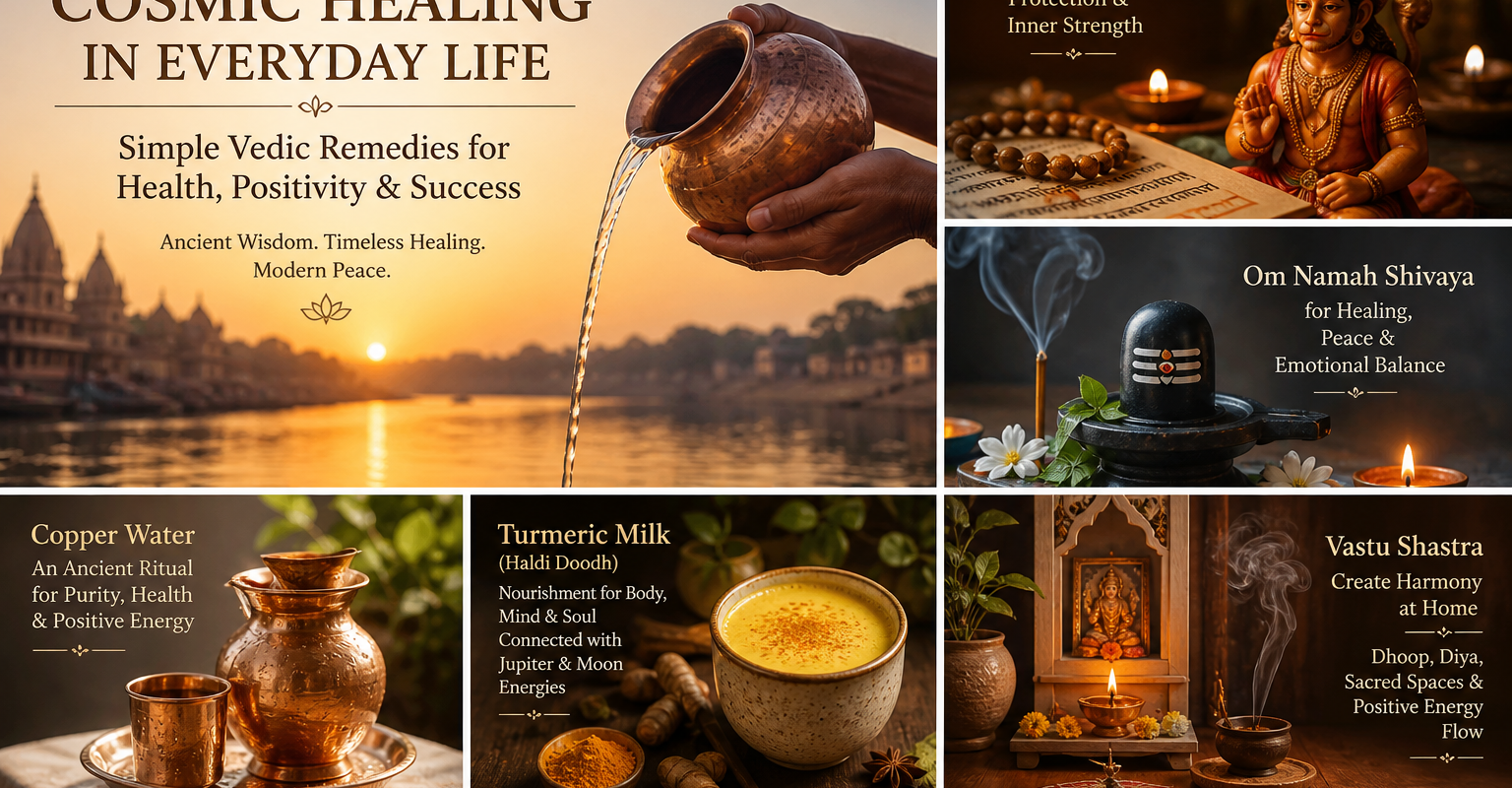
Ancient Vedic remedies remind us that healing does not always come from complexity — sometimes peace begins with a mantra, a diya, a prayer, or a moment of silence.
There’s something fascinating happening quietly across the world right now.
In the middle of stress, anxiety, burnout, sleepless nights, and constant digital noise, people are slowly returning to ancient Dharmic practices. Not because they suddenly became deeply religious overnight — but because modern life has made inner peace feel rare.
You can see it everywhere now.
Someone listening to the Hanuman Chalisa before work.
Someone drinking water stored in a copper vessel every morning.
Someone lighting dhoop after sunset just to make the house feel calmer.
And honestly, maybe our ancestors understood something we are only rediscovering now.
This is where Vedic Astrology, or Jyotish Shastra, becomes deeply meaningful.
Contrary to popular belief, Jyotish was never only about predicting the future. At its core, it was about understanding energies, karma, balance, and human emotions. The remedies suggested in Vedic traditions were meant to create harmony between the mind, body, environment, and spiritual self.
Some remedies may sound symbolic. Some may feel psychological. Some people follow them through devotion, others through cultural connection.
But what makes them beautiful is their simplicity.
Why Are Vedic Remedies Trending Again?
Modern wellness often teaches productivity.
Ancient Dharma teaches balance.
That’s probably why searches related to:
- “Vedic astrology remedies”
- “healing mantras”
- “spiritual cleansing”
- “Vastu for positive energy”
- “Hanuman Chalisa benefits”
- “copper water benefits”
have become increasingly popular online.
People today are emotionally tired. And when life becomes overwhelming, many naturally search for practices that create stillness instead of stimulation.
The interesting part is that most traditional remedies are not complicated at all.
They are small daily acts done with awareness.
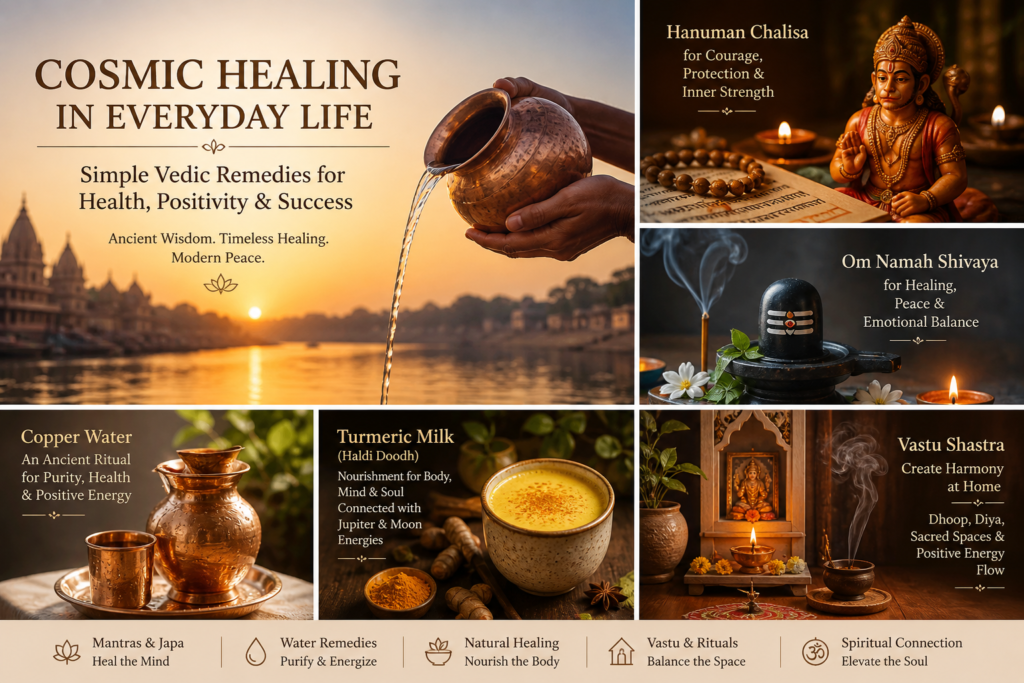
Mantras & Japa — Healing Through Sacred Sound
In Sanatan Dharma, sound is considered energy.
Ancient sages believed that certain vibrations influence the emotional and mental state of a person. That is why chanting (japa) has remained an important spiritual practice for centuries.
Even today, many people feel calmer after repetitive chanting or listening to devotional hymns during difficult phases of life.
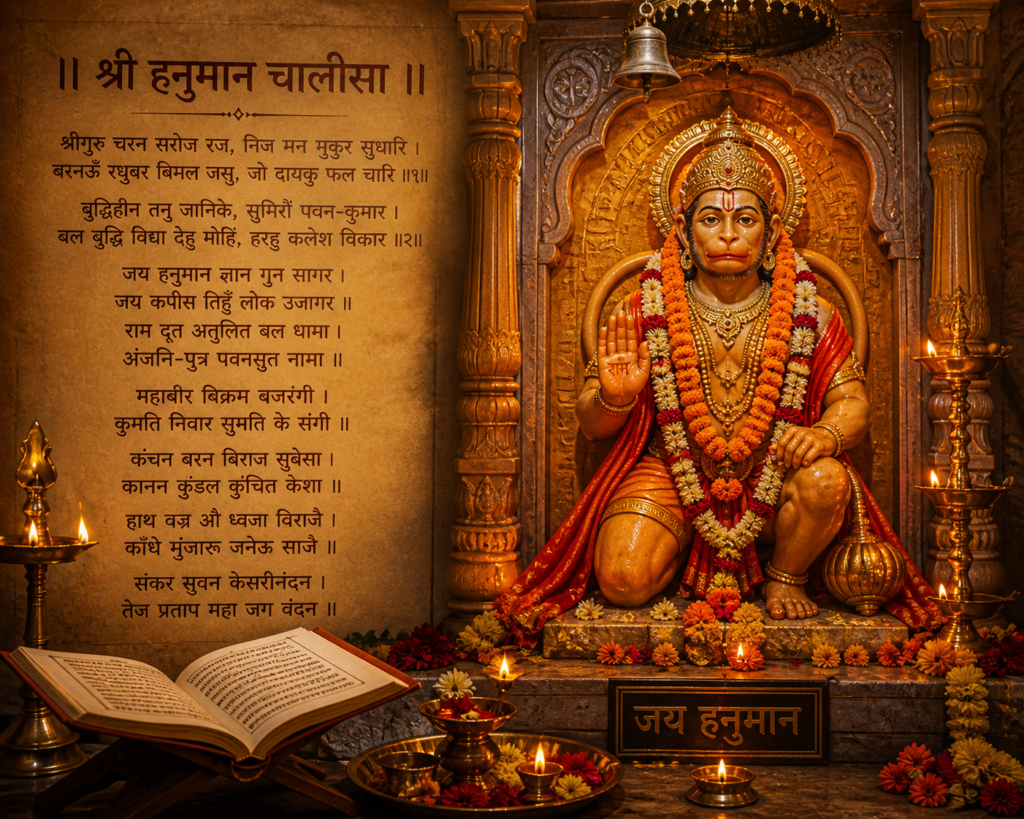
Hanuman Chalisa — For Courage & Inner Strength
The Hanuman Chalisa is one of the most recited devotional hymns in Hindu tradition.
People often turn to it during periods of fear, anxiety, confusion, negativity, or emotional instability. Lord Hanuman symbolizes devotion, strength, discipline, and fearlessness — qualities people deeply seek in challenging times.
Personally, I’ve noticed that devotional chanting works less like an instant miracle and more like emotional grounding. The mind slows down. Fear becomes manageable. Even difficult days feel slightly lighter.
That may explain why generations have recited the Hanuman Chalisa before exams, interviews, journeys, or stressful moments.
“Bhoot pishach nikat nahi aave, Mahavir jab naam sunave.”
For many devotees, these words are not just spiritual poetry. They become emotional reassurance.
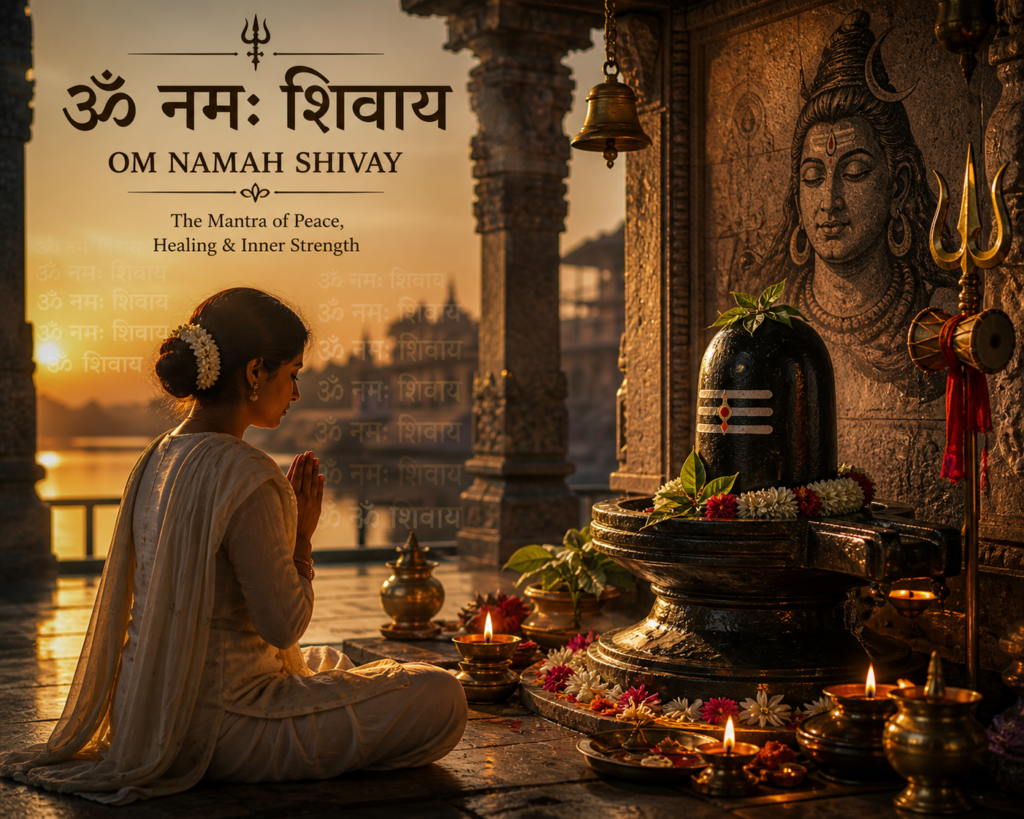
Shiva Mantras — Finding Stillness in Chaos
If Hanuman represents courage, Lord Shiva represents calmness amidst destruction.
The mantra:
“Om Namah Shivaya”
is often associated with healing, inner silence, and emotional release.
What makes Shiva devotion feel so personal is its simplicity. There’s no pressure to appear perfect. No complicated expectations.
Just surrender.
A lot of young people today listen to Shiva chants while studying, meditating, travelling, or trying to calm an overactive mind late at night. Ancient vibrations somehow continue to feel relevant in modern chaos.
Water Remedies & Traditional Healing Rituals
Water has always carried spiritual significance in Vedic culture.
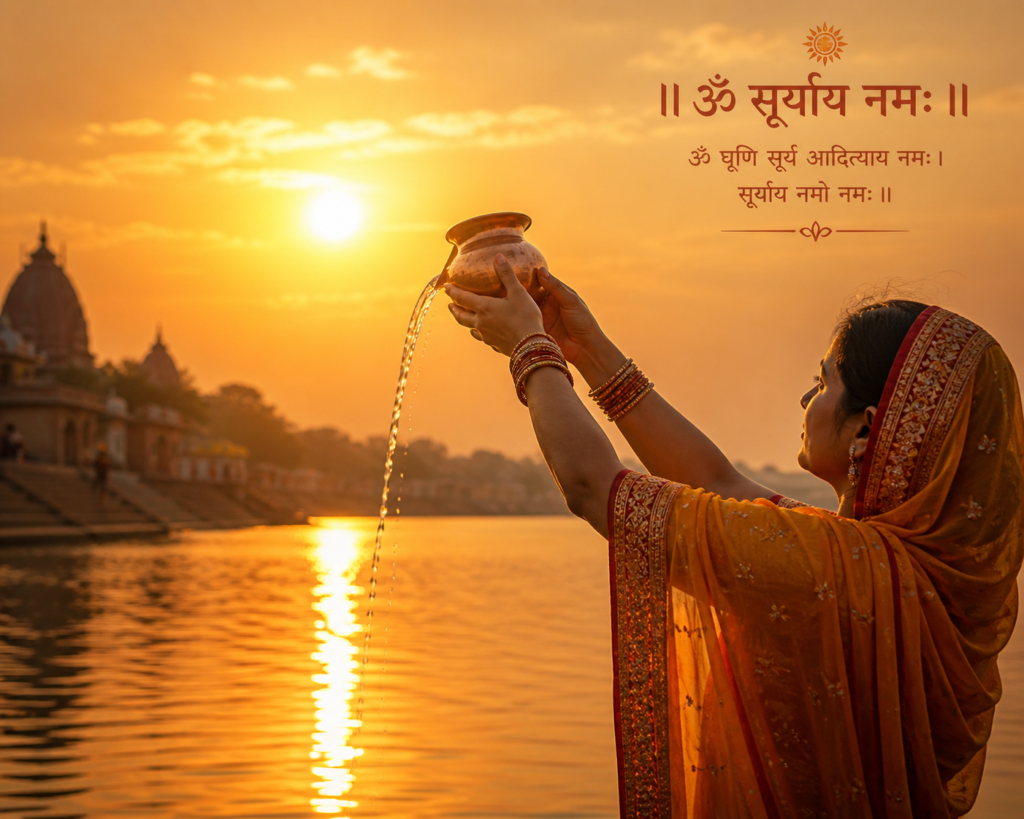
Even today, many households begin mornings by offering water to the Sun (Surya Arghya), believing it supports clarity, vitality, and positive energy.
These rituals may appear small, but sometimes small rituals shape emotional discipline more than we realize.
Copper Vessel Water — An Ancient Household Practice
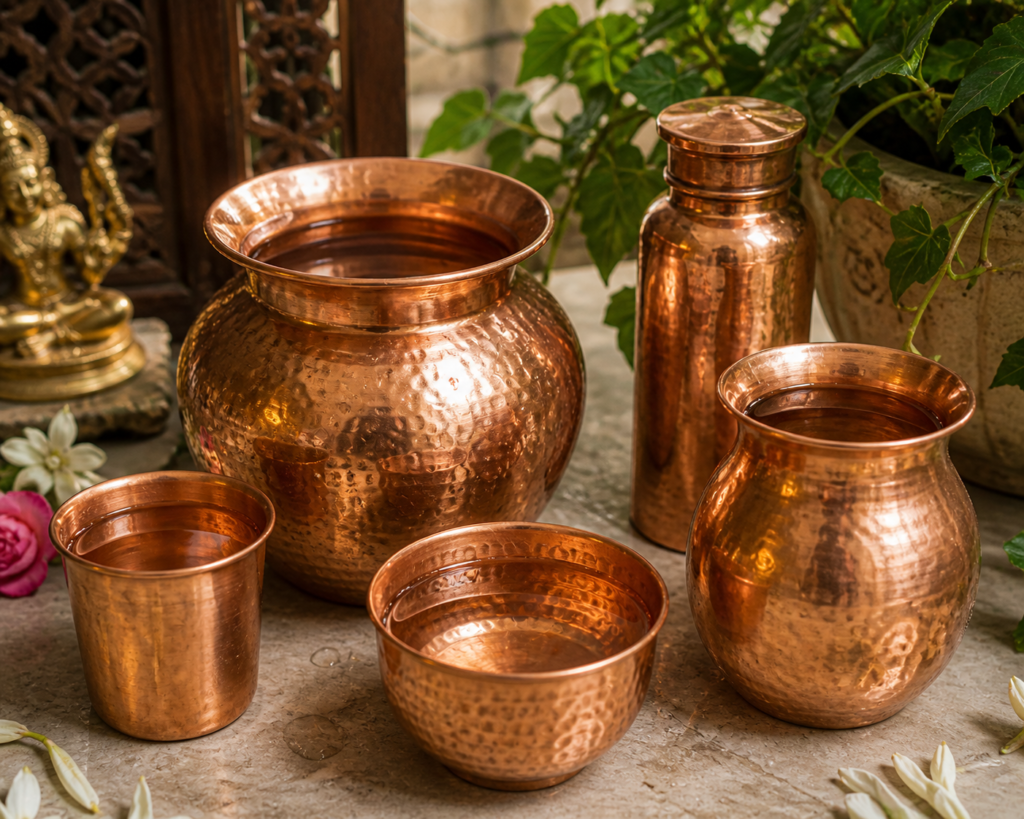
One popular Vedic remedy involves storing drinking water overnight in a copper vessel.
Traditionally, this practice is associated with purification, digestion, and balancing energies within the body.
Interestingly, modern wellness culture now markets similar concepts as “detox routines” and “copper-infused hydration.”
But for many Indian families, this was never a trend.
I still remember seeing a copper lota near my grandmother’s kitchen window every morning. Back then, nobody explained “energy balancing” or “detox benefits.” It was simply part of daily life — as normal as sunrise prayers and touching elders’ feet before leaving home.
That memory feels strangely comforting now.
Turmeric Milk — More Than Just a Viral Wellness Drink
Today the internet calls it a “golden latte.”
Indian homes have simply called it haldi doodh for generations.
In Vedic symbolism:
- turmeric is associated with Jupiter (Guru Graha)
- milk is connected with calm Moon energy
Together, they represent nourishment, healing, and emotional warmth.
And honestly, perhaps that’s why turmeric milk feels less like a health trend and more like comfort during emotionally difficult days.
Sometimes ancient remedies survive because they genuinely make people feel cared for.
Vastu Shastra — Creating Positive Energy at Home
Vastu Shastra focuses on harmony between human life and physical space.
Now realistically, not everyone can redesign an entire house according to Vastu principles. And spirituality should never become a source of fear or obsession.
But certain small practices can genuinely change the emotional atmosphere of a home.
Lighting Dhoop & Incense
Many families still light incense during sunrise or evening prayers.
Fragrances like:
- sandalwood
- guggal
- camphor
- loban
are traditionally believed to cleanse negative energies and create spiritual calmness.
Even psychologically, scent strongly affects mood and memory.
That peaceful feeling after evening aarti, when the fragrance slowly spreads through the house, is something many people still emotionally connect with.
Creating a Sacred Corner at Home
One beautiful Vastu-inspired habit is maintaining a small spiritual corner.
Not for decoration.
Not for social media aesthetics.
But for silence.
Even a tiny space with:
- a diya
- incense
- sacred books
- water
- deity idols
can change the feeling of a room.
One thing many people underestimate is how deeply a peaceful space affects mental health. Even lighting a diya for two quiet minutes at night can create a pause that modern routines rarely allow us anymore.
And no, you don’t need a perfectly designed meditation room for that.
The Truth About Vedic Remedies
Ancient wisdom never presented remedies as magical shortcuts.
A mantra cannot replace good actions.
A ritual cannot erase harmful behaviour.
And astrology was never meant to remove personal responsibility.
Its deeper purpose was always:
- discipline
- awareness
- devotion
- emotional balance
- spiritual connection
Of course, not every astrology remedy shared online deserves blind faith. Sometimes social media turns sacred traditions into exaggerated “instant solution” content. But simple practices rooted in sincerity, discipline, and devotion still hold genuine emotional and spiritual value for many people.
That balance is important.
Final Thoughts — Why These Ancient Practices Still Matter
It is simplicity.
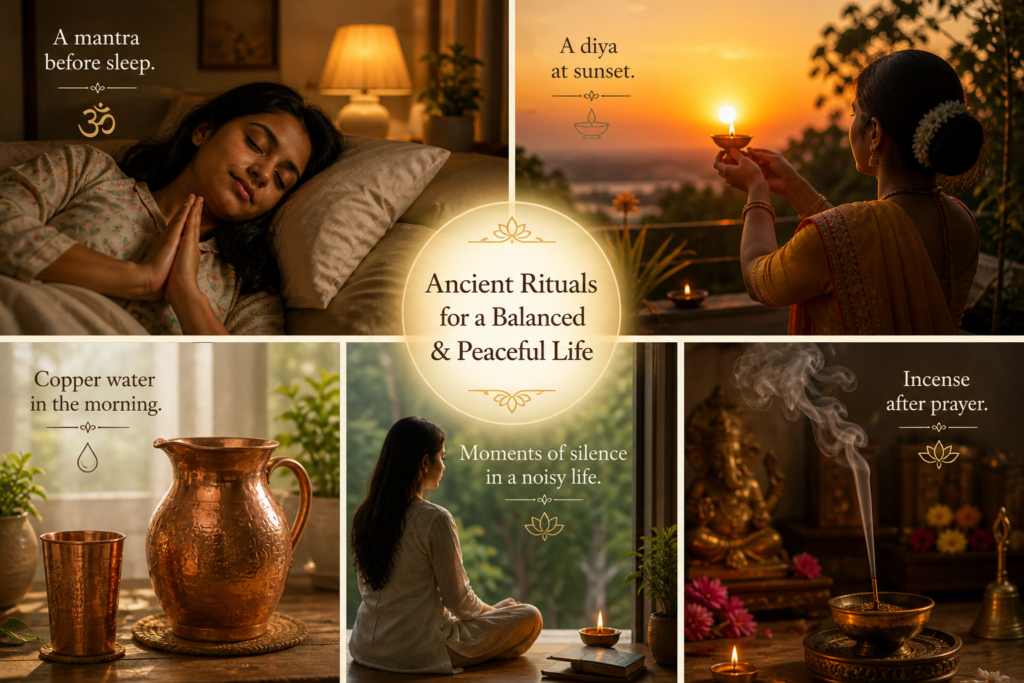
A mantra before sleep.
A diya at sunset.
Copper water in the morning.
Incense after prayer.
Moments of silence in a noisy life.
Maybe that is why these traditions are becoming popular again.
Not because people suddenly rejected modern life.
But because somewhere between ambition, anxiety, and endless distractions, people are searching for emotional grounding again.
And sometimes, the oldest traditions quietly remind us how to slow down, breathe deeply, and reconnect with ourselves.
“In a noisy world, may you always find your inner silence.”
If this story moved you, share it.
Explore more in Remedies →