Apara Ekadashi is more than a traditional Hindu fast — it is a spiritual opportunity to cleanse the mind, reduce karmic burdens, and reconnect with divine energy through devotion to Lord Vishnu. This blog explores the significance of Apara Ekadashi 2026, vrat rituals, fasting methods, spiritual benefits, and the timeless wisdom behind this sacred observance in a modern and relatable way.

In today’s noisy world, some days feel spiritually different.
Apara Ekadashi is one of them.
It is not just another fasting ritual in the Hindu calendar. For many devotees, this Ekadashi becomes a moment of inner cleansing — a pause from endless distractions, unhealthy habits, and emotional heaviness.
Observed during the Krishna Paksha of the Jyeshtha month, Apara Ekadashi is dedicated to Lord Vishnu and is believed to wash away past karmic burdens when observed with sincerity and devotion.
Whether you keep a complete fast or simply spend the day in prayer and mindfulness, this sacred occasion reminds us that spiritual transformation often begins with discipline, silence, and faith.
Apara Ekadashi 2026 Date and Timings
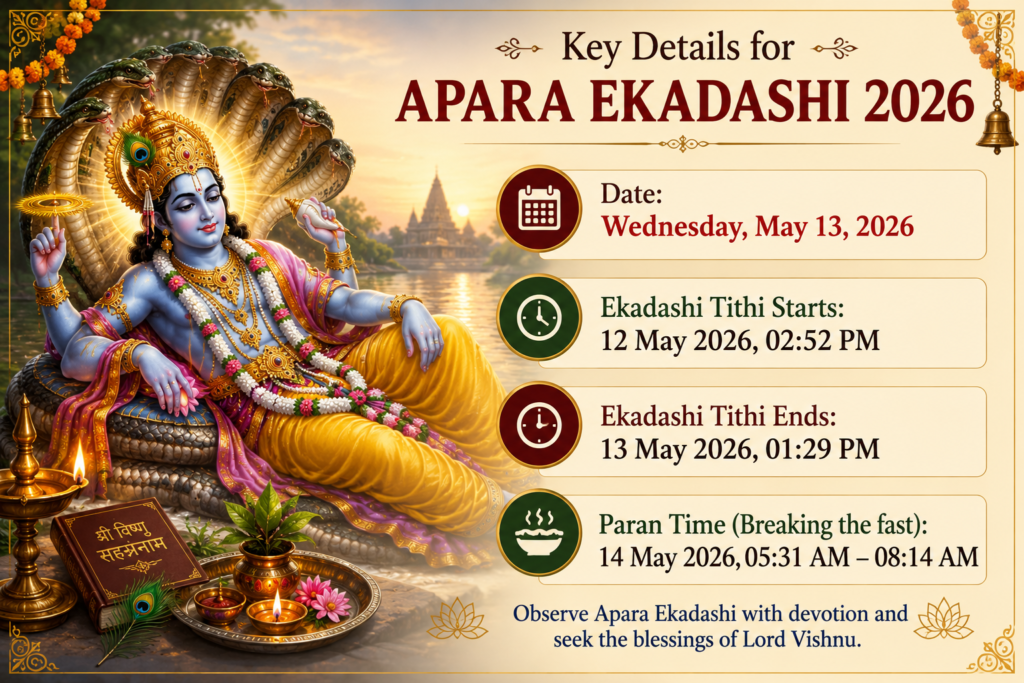
📅 Apara Ekadashi: Wednesday, May 13, 2026
Important Timings
- Ekadashi Tithi Begins: 02:52 PM (May 12, 2026)
- Ekadashi Tithi Ends: 01:29 PM (May 13, 2026)
- Paran Time (Breaking the Fast): 05:31 AM – 08:14 AM (May 14, 2026)
Devotees will observe fasting, prayer, and worship of Lord Vishnu during this sacred Ekadashi to seek spiritual purification, peace, and divine blessings.
Why Is Apara Ekadashi So Powerful?
The word “Apara” means limitless or immeasurable.
According to ancient scriptures, the spiritual merit gained from this Ekadashi is beyond comparison. It is believed that sincere observance can help remove negative karma, mental heaviness, and spiritual obstacles.
But beyond mythology, there is also something deeply practical about Ekadashi.
For one day, you slow down.
You eat less.
You speak less.
You consume less.
And somehow… you begin hearing yourself more clearly.
That is the real beauty of Ekadashi.
The Story Behind Apara Ekadashi
Ancient Hindu texts narrate a powerful story connected to this sacred day.
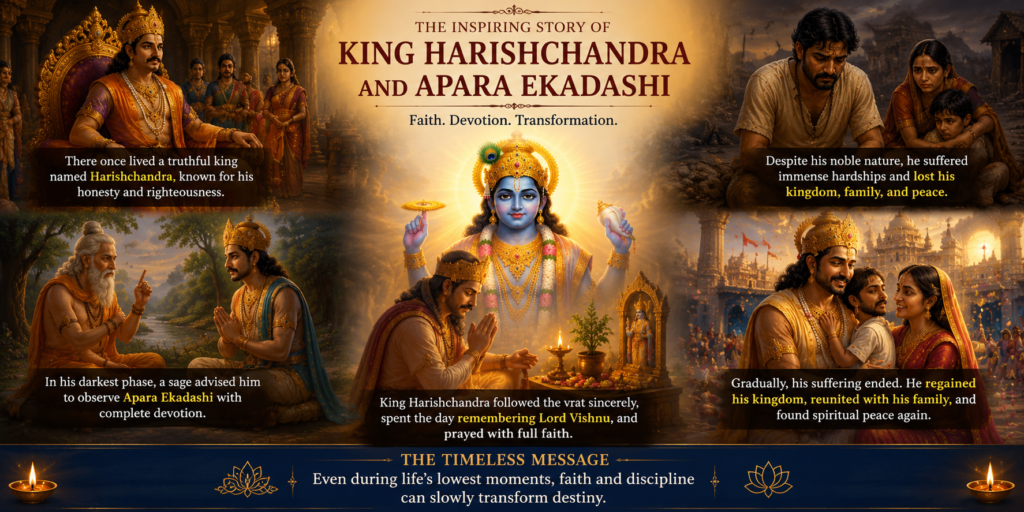
There once lived a truthful king named Harishchandra, known for his honesty and righteousness. Despite his noble nature, he suffered immense hardships and lost his kingdom, family, and peace.
In his darkest phase, a sage advised him to observe Apara Ekadashi with complete devotion.
King Harishchandra followed the vrat sincerely, spent the day remembering Lord Vishnu, and prayed with full faith.
Gradually, his suffering ended. He regained his kingdom, reunited with his family, and found spiritual peace again.
The story teaches something very simple yet powerful:
Even during life’s lowest moments, faith and discipline can slowly transform destiny.
How to Observe Apara Ekadashi Vrat
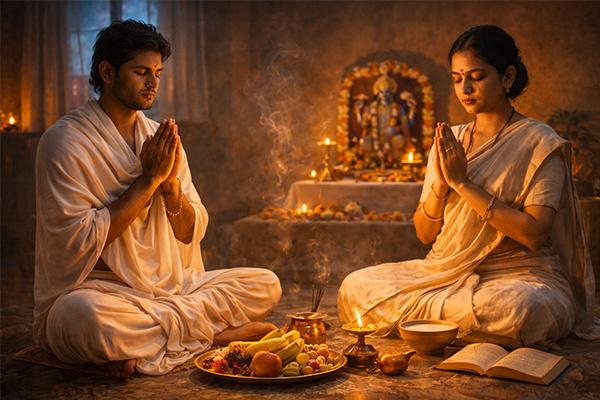
There is no need to make the vrat complicated.
Spirituality becomes meaningful when practiced with sincerity, not pressure.
1. Begin With a Calm Intention
The night before Ekadashi, avoid heavy or tamasic food. Keep your mind peaceful and set a simple intention for the vrat.
2. Wake Up Early
Take a bath early in the morning and wear clean clothes. Many devotees prefer wearing yellow or white while worshipping Lord Vishnu.
3. Offer Prayers to Lord Vishnu
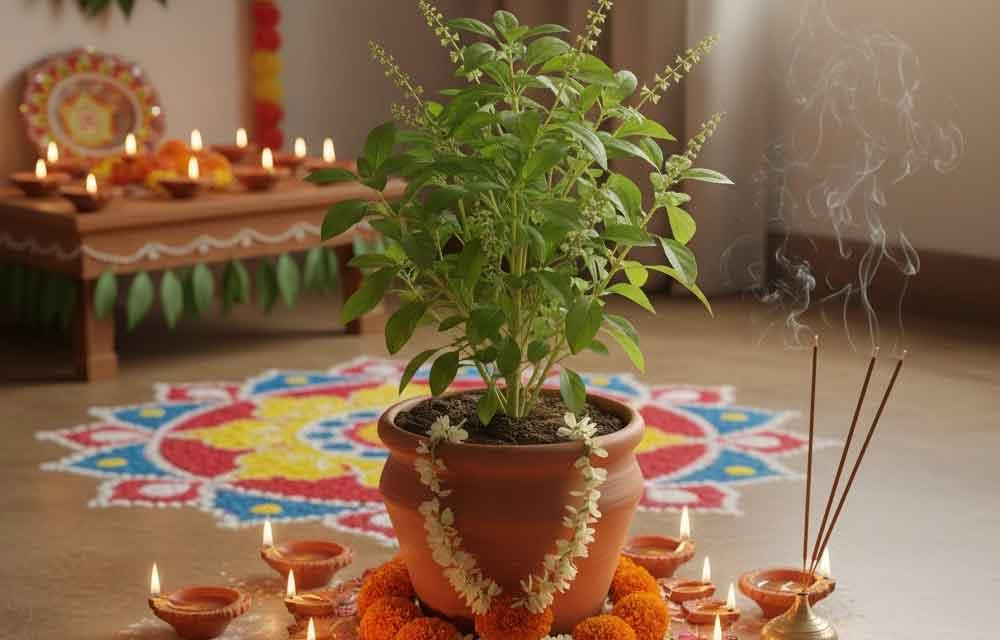
Light a diya, offer tulsi leaves, flowers, incense, and chant Vishnu mantras like:
“Om Namo Bhagavate Vasudevaya”
or
“Hare Krishna Hare Krishna, Krishna Krishna Hare Hare…”
Types of Fasting on Ekadashi
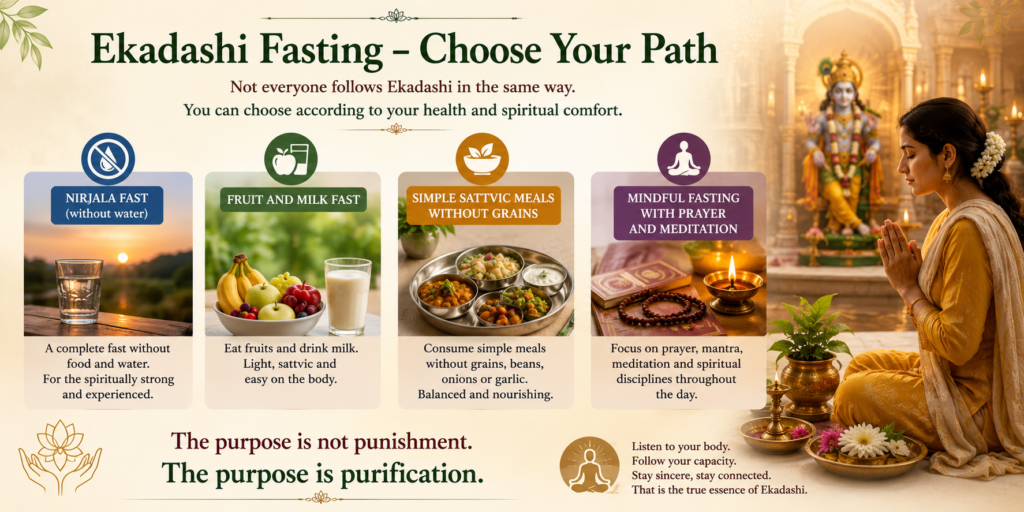
Not everyone follows Ekadashi in the same way.
You can choose according to your health and spiritual comfort:
- Nirjala fast (without water)
- Fruit and milk fast
- Simple sattvic meals without grains
- Mindful fasting with prayer and meditation
The purpose is not punishment.
The purpose is purification.
Spiritual Benefits of Apara Ekadashi
Devotees believe this sacred vrat helps in:
- Reducing negative karmic effects
- Bringing mental peace
- Improving self-discipline
- Strengthening devotion
- Helping emotional healing
- Creating spiritual awareness
Many people also experience emotional clarity during fasting because the mind becomes quieter and more focused.
The Importance of Charity on Apara Ekadashi
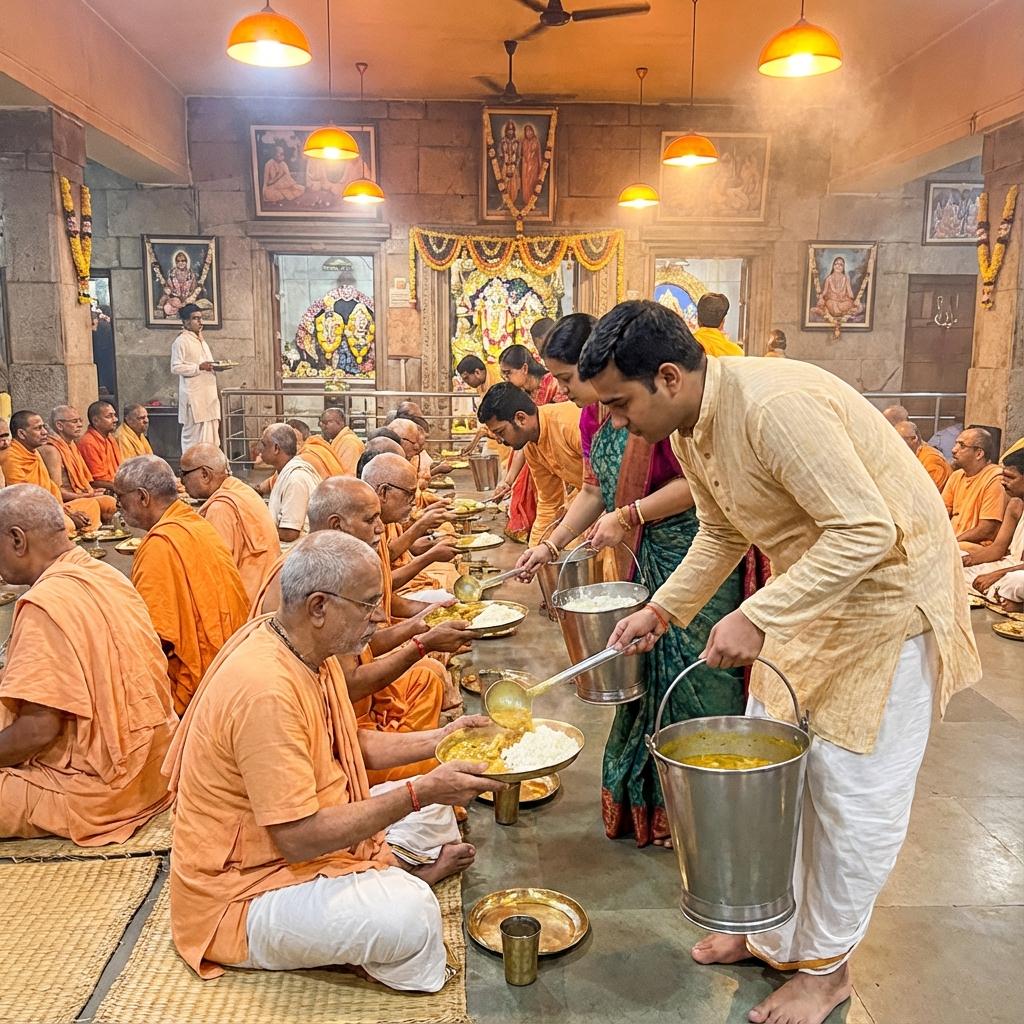
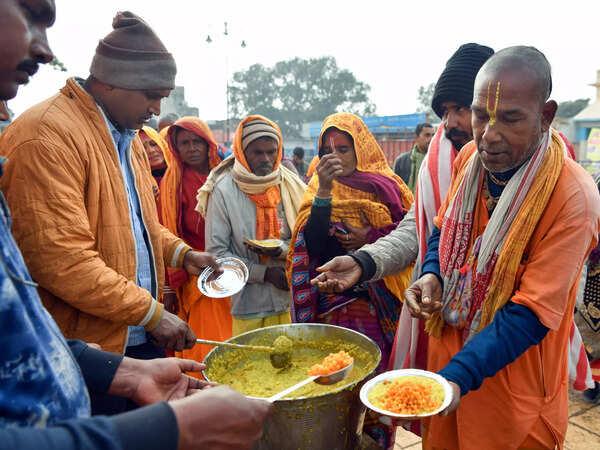
In Hindu tradition, fasting is considered incomplete without kindness.
Donating food, clothes, water, or helping someone in need on Apara Ekadashi is believed to multiply spiritual blessings.
Even a small act matters.
Offering water to travelers in summer.
Feeding animals.
Helping someone hungry.
Supporting temple seva.
Sometimes spirituality is not only found in prayers…
but also in compassion.
Why Ekadashi Still Matters in Modern Life
Today, people are mentally exhausted more than physically tired.
Constant scrolling.
Overthinking.
Stress.
Noise.
Ekadashi gives the mind a reset.
It teaches restraint in a world addicted to excess.
And maybe that is why these ancient practices are still surviving today — because modern life needs spiritual balance more than ever.
Simple Tips for First-Time Observers
If this is your first Ekadashi, keep it simple:
- Stay hydrated
- Avoid overeating fasting foods
- Spend less time on social media
- Listen to bhajans or Vishnu chants
- Read spiritual texts
- Focus more on devotion than perfection
Remember:
Even sincere effort matters.
Final Thoughts
Apara Ekadashi is not only about avoiding food.
It is about creating space within yourself.
Space for prayer.
Space for silence.
Space for healing.
In a fast-moving world, sacred pauses like Ekadashi reconnect us with something deeper than routine — our spiritual self.
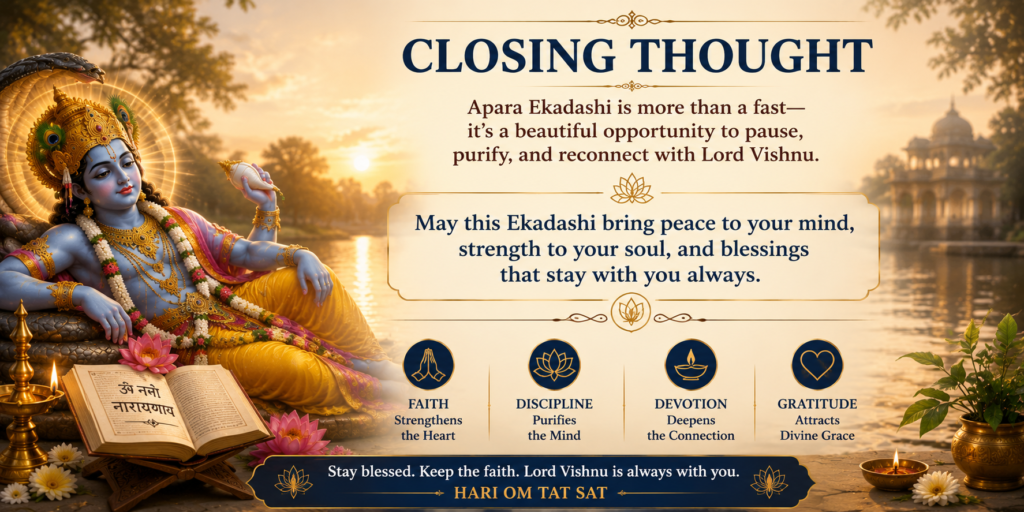
May this Apara Ekadashi bring peace to your mind, purity to your heart, and blessings to your life.
Hari Om Tat Sat.
If this story moved you, share it.
Explore more in Festival →