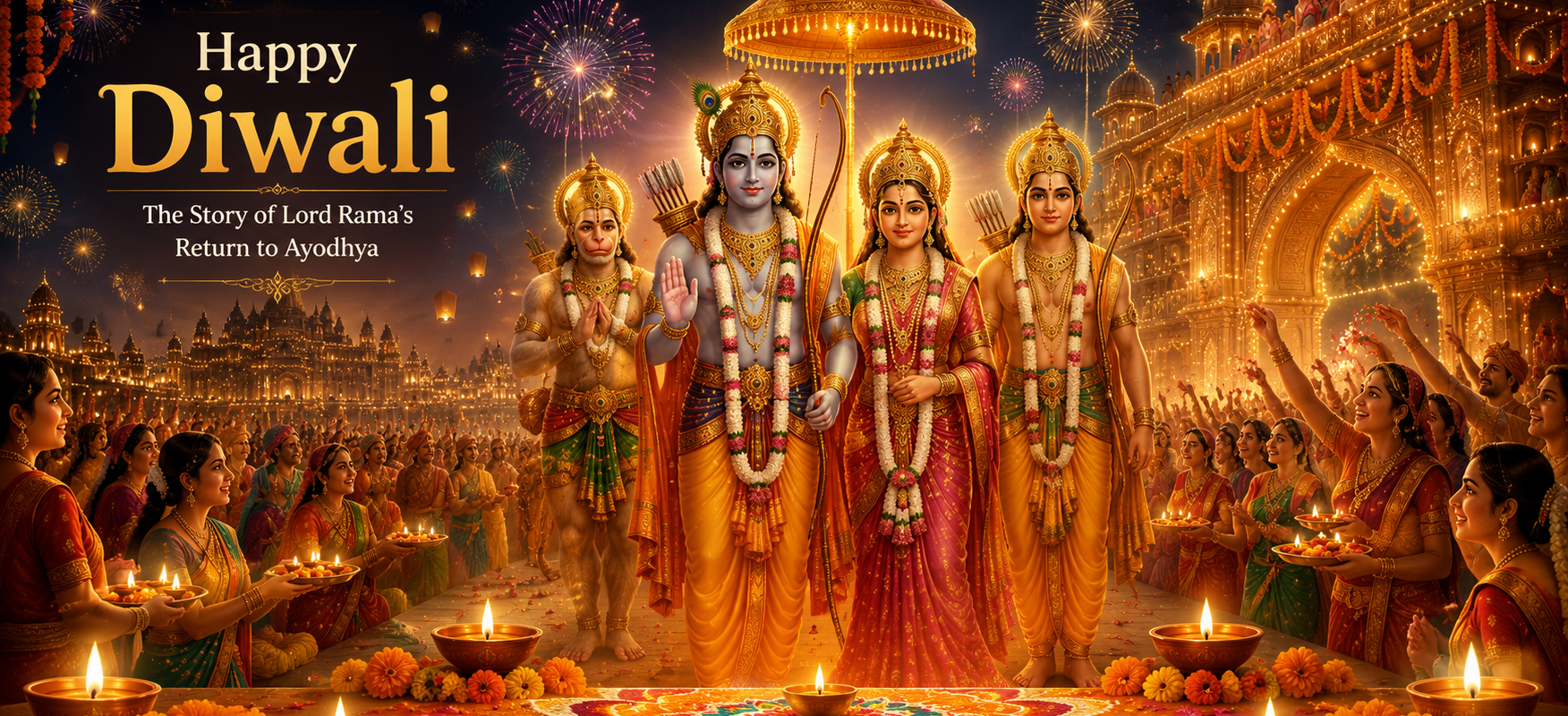
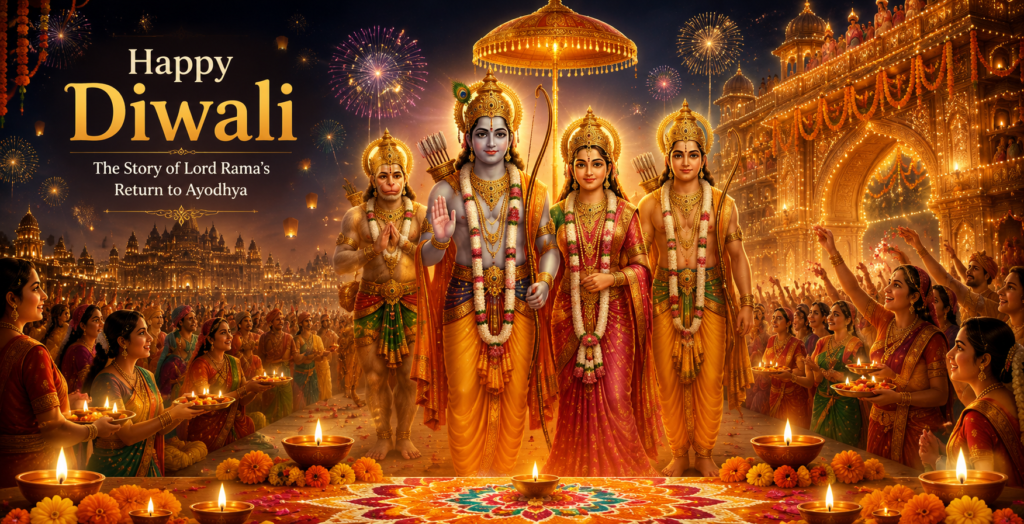
Diwali 2026 celebrates the return of Lord Rama, Goddess Sita, and Lakshmana to Ayodhya after fourteen years of exile and the defeat of Ravana. This complete guide explores the story behind Diwali, the significance of diyas, Lakshmi Puja, the five days of Deepavali, spiritual lessons, traditions, and Diwali 2026 dates.
diwali-2026-lord-rama-return-ayodhya.jpg
Diwali, also known as Deepavali, is one of the most beloved and widely celebrated festivals in India and among Hindu communities around the world. Homes glow with thousands of lamps, families gather in celebration, and prayers are offered for prosperity, happiness, and new beginnings.
But have you ever wondered why Diwali is celebrated?
The most popular and cherished reason behind Diwali comes from the ancient Hindu epic, the Ramayana. According to tradition, Diwali marks the return of Lord Rama, Goddess Sita, and Lakshmana to Ayodhya after fourteen years of exile and Lord Rama’s victory over the demon king Ravana.
This inspiring story is not just a tale of kings and battles—it is a timeless lesson about truth, duty, devotion, courage, and the triumph of good over evil.
Diwali is also one of the most spiritually significant festivals in Hindu tradition. Beyond lights, sweets, and celebrations, it represents renewal, gratitude, prosperity, and the welcoming of divine blessings into our lives. Observing Diwali rituals on the correct dates and auspicious muhurats is believed to invite wealth, peace, harmony, and spiritual growth into the home.
What Is Diwali?
diwali-2026-lord-rama-return-ayodhya.jpg
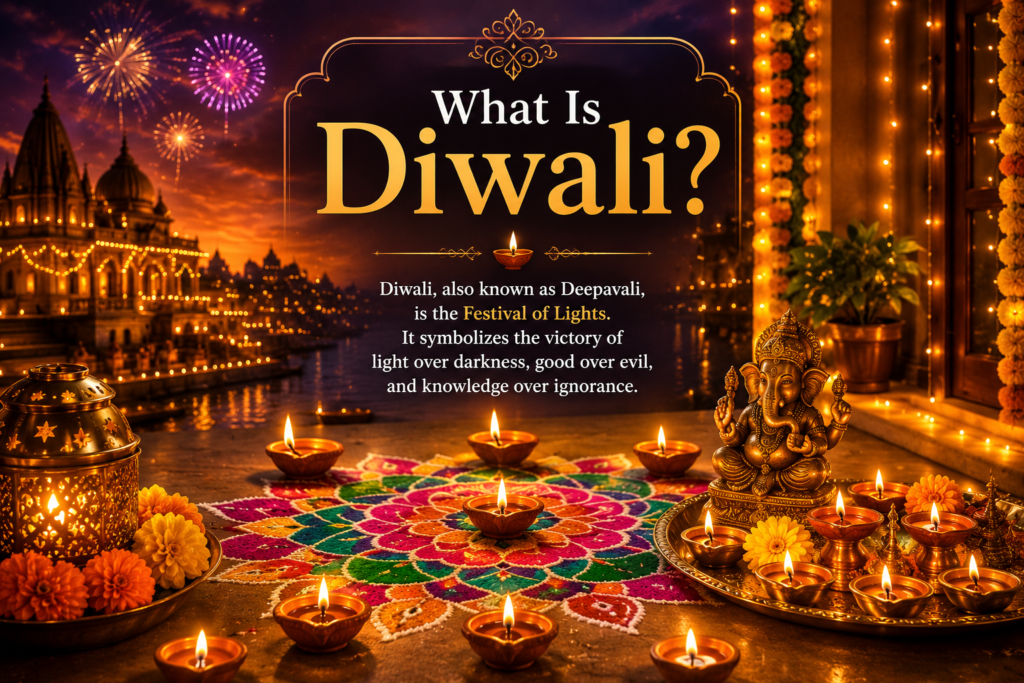
The word “Deepavali” comes from two Sanskrit words:
- Deepa meaning lamp
- Avali meaning row
Thus, Deepavali means “a row of lamps.”
These lamps symbolize the victory of light over darkness, knowledge over ignorance, and righteousness over evil.
For millions of devotees, Diwali commemorates the joyous return of Lord Rama to his kingdom after completing a challenging journey filled with sacrifice, hardship, and divine purpose.
Why Is Diwali Celebrated? The Story Begins in Ayodhya
The story begins in the ancient city of Ayodhya, where King Dasharatha ruled with wisdom and compassion.
Among his sons, Lord Rama was admired for his noble character, truthfulness, and unwavering commitment to dharma (righteousness).
The people of Ayodhya loved Rama deeply and eagerly awaited the day he would become king.
King Dasharatha eventually decided to crown Rama as his successor.
However, destiny had different plans.
The Promise That Changed Everything
diwali-2026-lord-rama-return-ayodhya.jpg
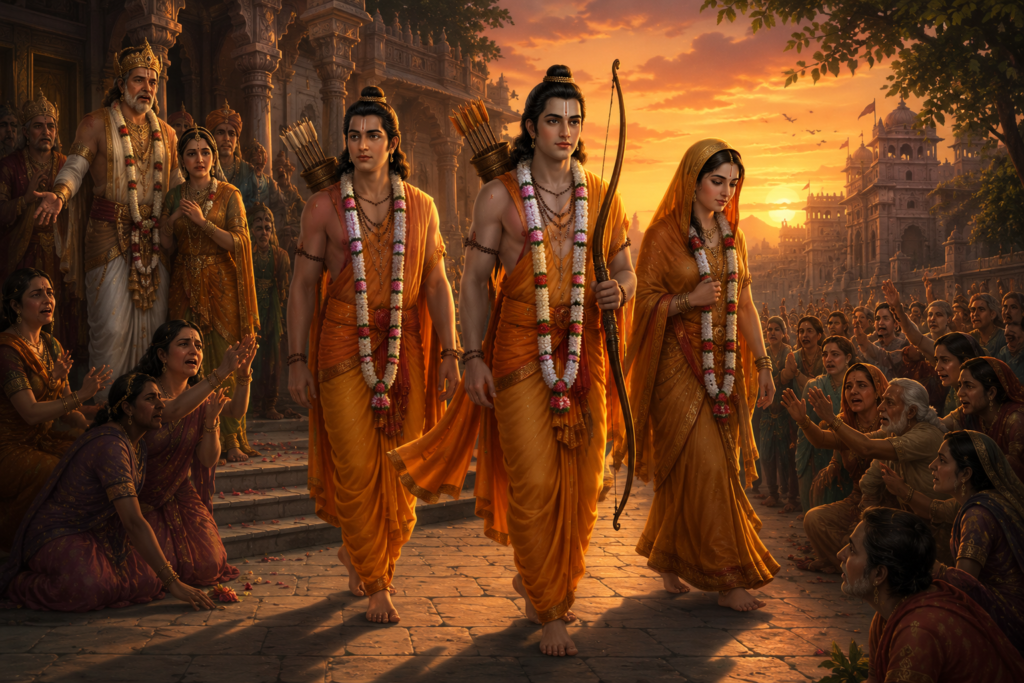
Years earlier, King Dasharatha had granted two boons to his queen Kaikeyi.
Influenced by her maid Manthara, Kaikeyi demanded:
- Her son Bharata should become king.
- Rama should be exiled to the forest for fourteen years.
Bound by his promise, Dasharatha reluctantly agreed.
Although the decision broke his heart, Rama accepted the exile without anger or resentment.
For Rama, honoring his father’s word was more important than claiming the throne.
This act of obedience and sacrifice remains one of the greatest examples of dharma in Hindu tradition.
Sita and Lakshmana Follow Rama
diwali-2026-lord-rama-return-ayodhya.jpg
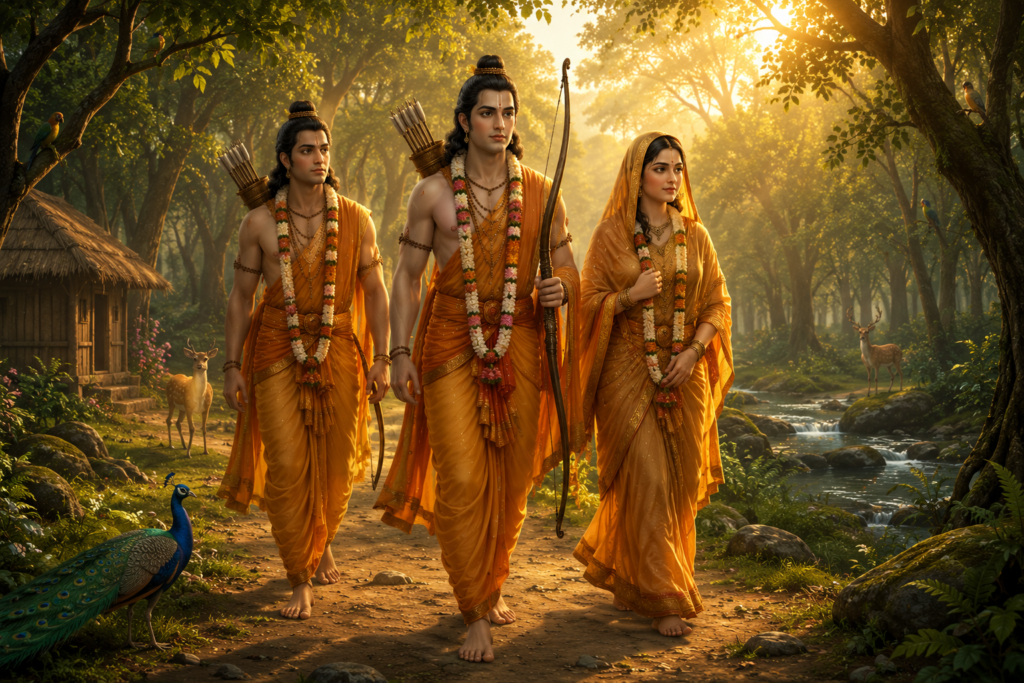
When Rama prepared to leave Ayodhya, Goddess Sita refused to remain behind.
She chose to accompany her husband into the forest and share every hardship alongside him.
Lakshmana, Rama’s devoted younger brother, also joined them.
Together, the three left the comforts of royal life and began their journey through forests, hermitages, and distant lands.
The citizens of Ayodhya were heartbroken to see their beloved prince depart.
Life During the Fourteen-Year Exile
diwali-2026-lord-rama-return-ayodhya.jpg
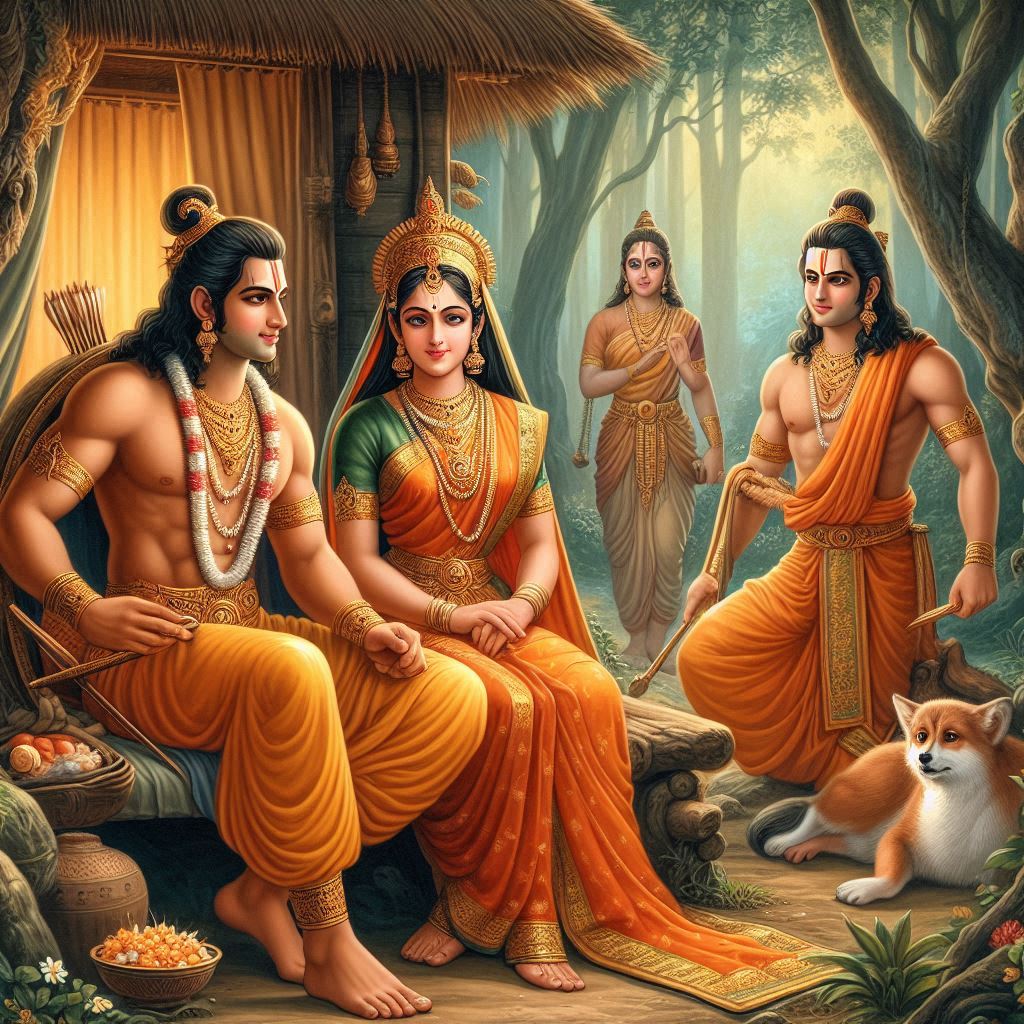
For many years, Rama, Sita, and Lakshmana lived peacefully in the forests.
They met sages, protected hermitages, and upheld righteousness wherever they went.
Their exile became a period of spiritual growth, humility, and service.
However, a great challenge was about to unfold.
Ravana’s Plot Against Rama
diwali-2026-lord-rama-return-ayodhya.jpg
Ravana, the powerful king of Lanka, was known for his immense strength, intelligence, and mastery of sacred knowledge.
Yet his pride and arrogance led him astray.
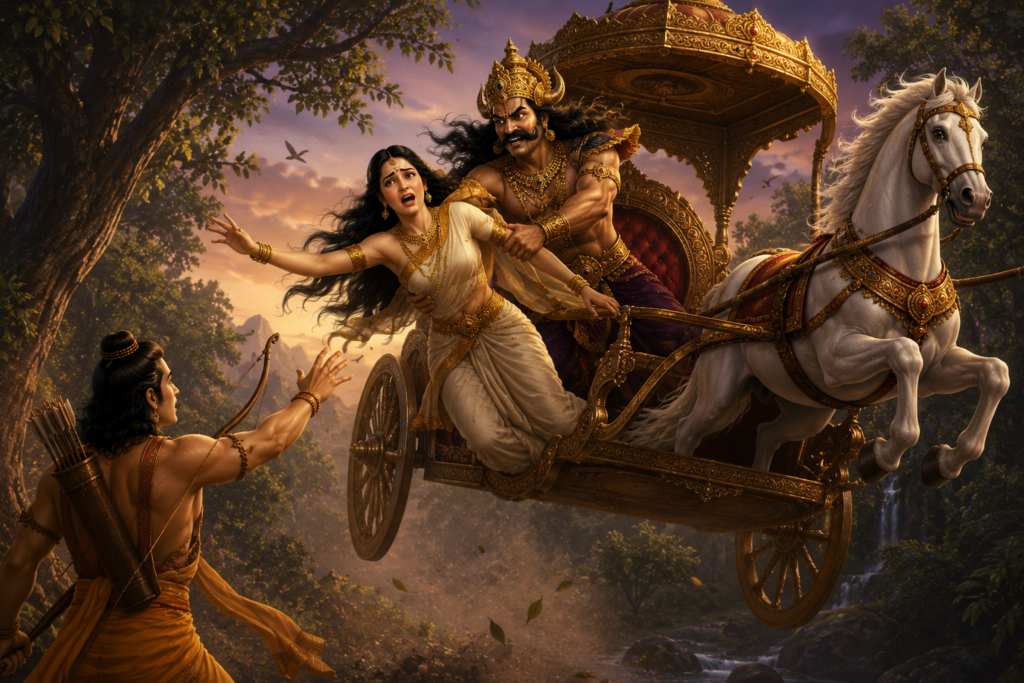
After hearing about Sita’s extraordinary beauty, Ravana devised a plan to abduct her.
Using deception and magical tricks, he lured Rama and Lakshmana away from their forest dwelling.
Seizing the opportunity, Ravana kidnapped Sita and carried her away to Lanka.
This event became the turning point in the Ramayana.
Hanuman’s Devotion and the Search for Sita
diwali-2026-lord-rama-return-ayodhya.jpg
Determined to rescue Sita, Rama began searching for her across forests and mountains.
During this journey, he formed an alliance with Sugriva, the king of the Vanaras (monkey warriors).
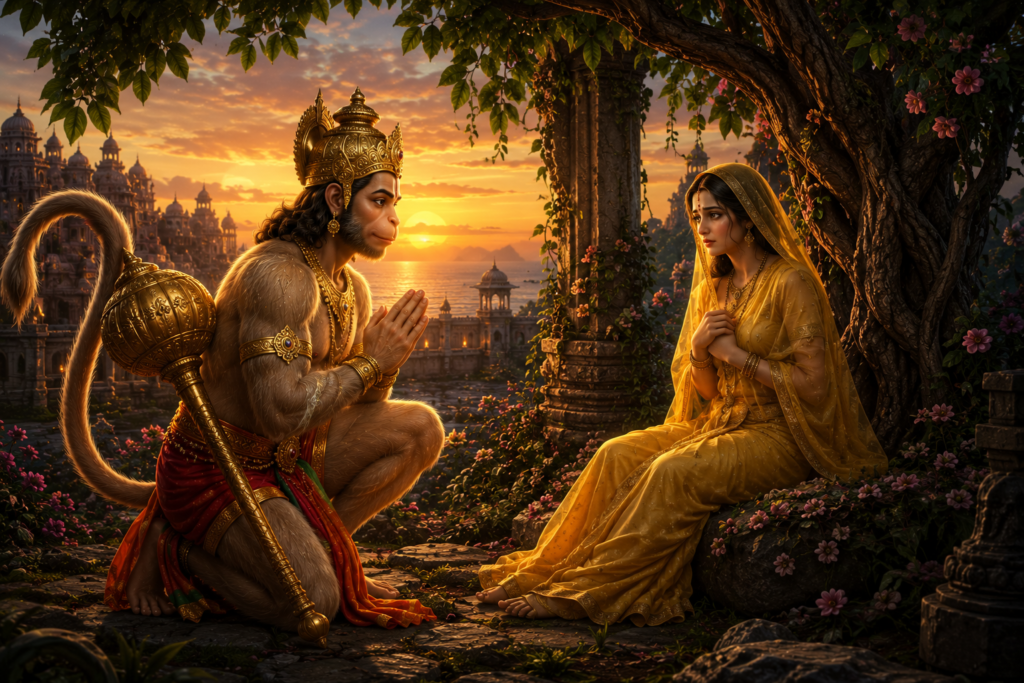
Among Sugriva’s companions was Hanuman, whose devotion to Rama would become legendary.
Hanuman crossed the ocean, discovered Sita in Lanka, and delivered Rama’s message of hope and reassurance.
His courage, strength, humility, and unwavering devotion continue to inspire devotees even today.
The Great Battle of Lanka
diwali-2026-lord-rama-return-ayodhya.jpg
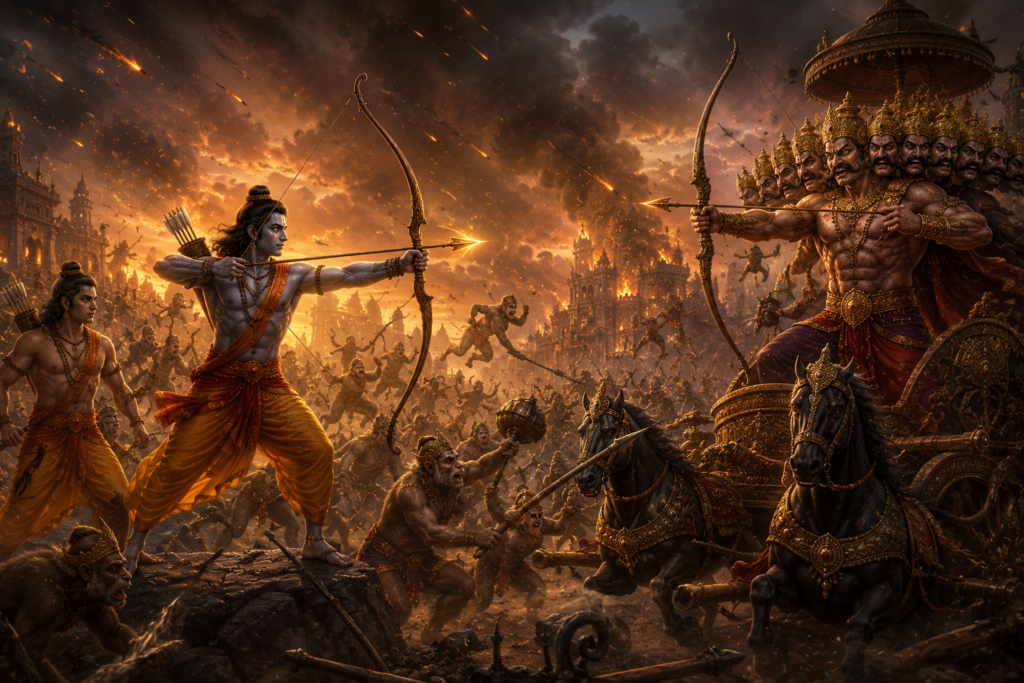
To rescue Sita, Rama and his allies built a bridge across the ocean to Lanka.
A mighty war followed between Rama’s forces and Ravana’s army.
Many powerful warriors fought on both sides.
Despite Ravana’s strength and magical powers, righteousness ultimately prevailed.
After a fierce battle, Lord Rama defeated Ravana.
The victory symbolized the triumph of dharma over adharma, truth over falsehood, and virtue over arrogance.
With Ravana defeated, Sita was finally reunited with Rama.
Lord Rama’s Return to Ayodhya: The Origin of Diwali
diwali-2026-lord-rama-return-ayodhya.jpg
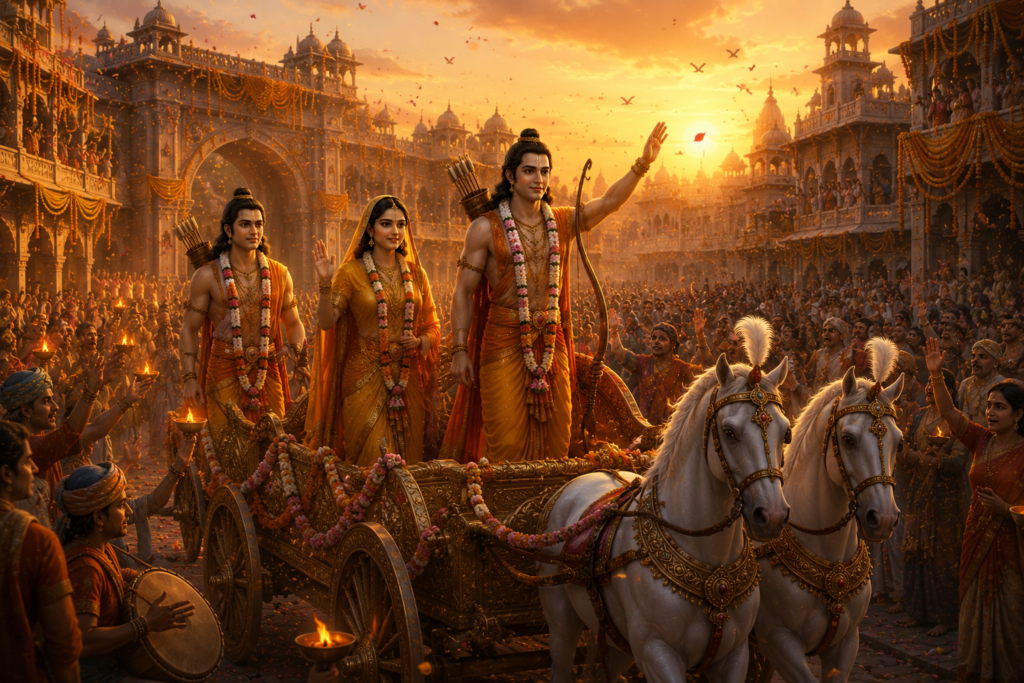
After completing fourteen years of exile and defeating Ravana, Lord Rama, Goddess Sita, and Lakshmana finally returned to Ayodhya.
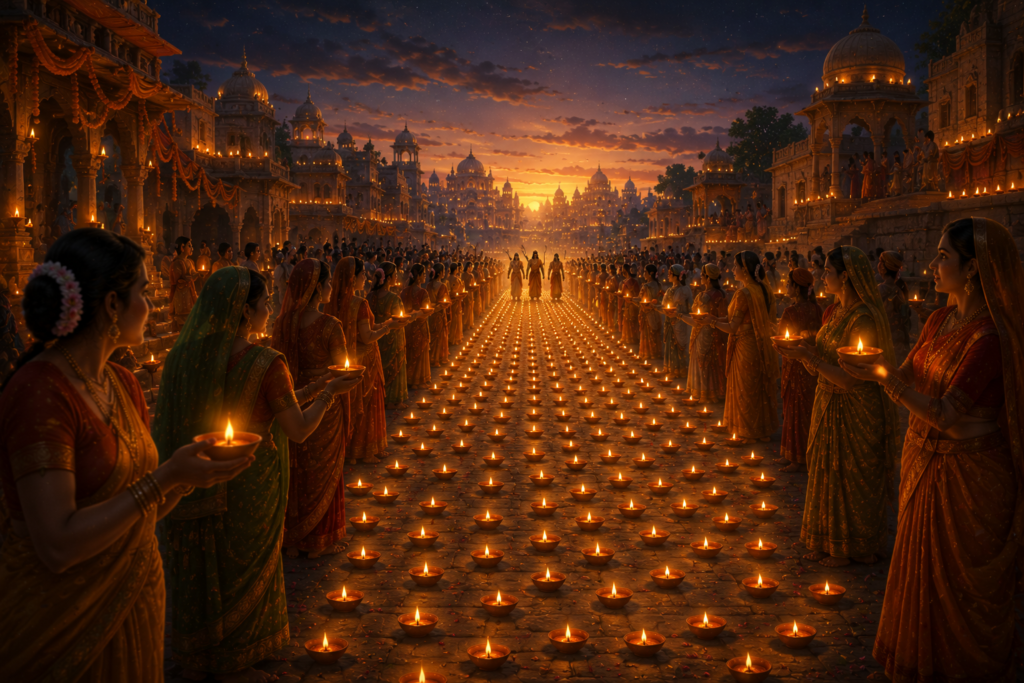
The people of Ayodhya were overjoyed to welcome their beloved prince back home. To celebrate this historic and sacred occasion, they illuminated the entire kingdom with rows of oil lamps (diyas).
The glowing lamps lit every street, home, and pathway, creating a magnificent sight that symbolized the victory of light over darkness and hope over despair.
This joyous celebration is believed to be the origin of Diwali.
Even today, devotees light diyas during Diwali to honor Lord Rama’s return and to invite positivity, prosperity, and divine blessings into their homes.
Why Ravana’s Defeat Matters
The story of Ravana teaches that knowledge and power alone are not enough.
Without humility, self-control, and righteousness, even the strongest individuals can fall.
Lord Rama’s victory reminds us that:
- Truth ultimately prevails.
- Goodness is stronger than evil.
- Patience and perseverance are rewarded.
- Dharma must guide our actions.
These timeless lessons remain relevant even today.
Spiritual Significance of Diwali
Diwali is associated with several important spiritual traditions and deities.
Goddess Lakshmi
Goddess Lakshmi is worshipped as the deity of wealth, prosperity, abundance, and good fortune. Devotees pray for financial stability, success, and blessings for the household.
Lord Ganesha
Lord Ganesha is worshipped alongside Goddess Lakshmi as the remover of obstacles and the giver of wisdom and auspicious beginnings.
Lord Rama
For millions of devotees, Diwali commemorates Lord Rama’s return to Ayodhya and the victory of righteousness over evil.
Symbolism of Diyas
Lighting diyas represents:
- The removal of ignorance
- The awakening of inner wisdom
- The victory of light over darkness
- Spiritual enlightenment and positivity
Diwali 2026 Date and Why It Is Celebrated
Diwali is celebrated on the Amavasya (New Moon Day) of the Hindu month of Kartik.
The festival extends over five sacred days, each carrying its own spiritual significance and rituals.
These five days collectively form the festival of Deepavali and are observed with devotion, prayers, charity, family gatherings, and celebrations.
Diwali 2026 Dates (Five-Day Deepavali Festival)
Here are the important Diwali 2026 dates:
| Festival | Date |
|---|---|
| Dhanteras | Saturday, 7 November 2026 |
| Naraka Chaturdashi (Choti Diwali) | Sunday, 8 November 2026 (Morning) |
| Lakshmi Puja / Diwali | Sunday, 8 November 2026 |
| Govardhan Puja | Monday, 9 November 2026 |
| Bhai Dooj | Tuesday, 10 November 2026 |
🪔 Lakshmi Puja should ideally be performed during Pradosh Kaal on Diwali night for maximum auspiciousness.
The Five Days of Deepavali and Their Significance
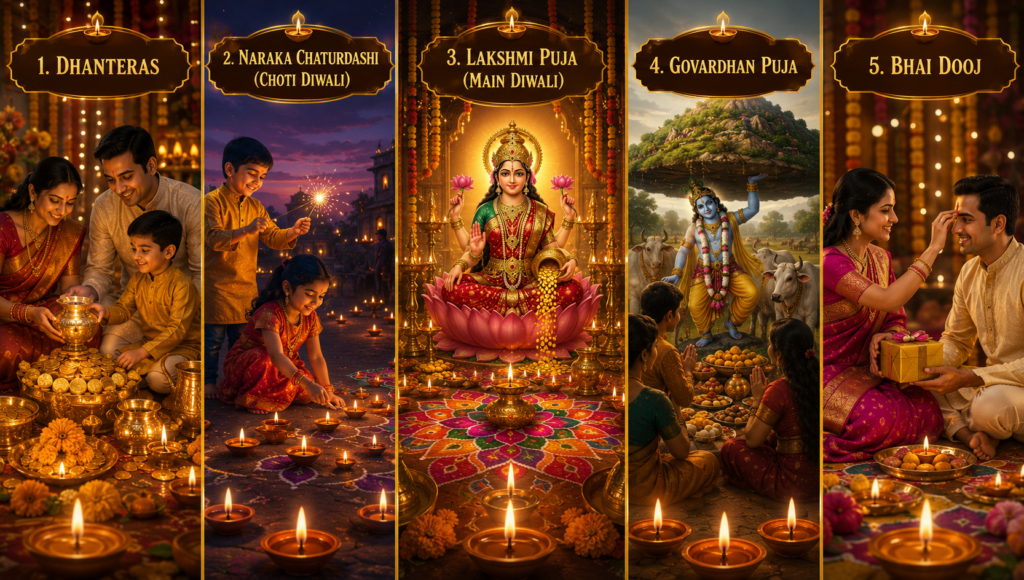
1. Dhanteras
Dhanteras marks the beginning of the Diwali celebrations.
Devotees worship Lord Dhanvantari and Goddess Lakshmi and often purchase gold, silver, utensils, or other valuable items as symbols of prosperity and good fortune.
2. Naraka Chaturdashi (Choti Diwali)
This day commemorates Lord Krishna’s victory over the demon Narakasura.
Traditional oil baths, prayers, and the lighting of lamps are performed to symbolize the destruction of negativity and evil.
3. Lakshmi Puja (Main Diwali)
The most important day of the festival is dedicated to Goddess Lakshmi and Lord Ganesha.
Homes are illuminated with diyas, rangolis are created, and families gather to perform Lakshmi Puja for prosperity, abundance, and blessings.
4. Govardhan Puja
Govardhan Puja celebrates Lord Krishna lifting Govardhan Hill to protect the people of Vrindavan from torrential rains.
Devotees offer gratitude to nature and seek divine protection.
5. Bhai Dooj
Bhai Dooj celebrates the sacred bond between brothers and sisters.
Sisters pray for their brothers’ well-being, while brothers offer gifts and blessings in return.
Lakshmi Puja Vidhi for Diwali 2026 (Step-by-Step)
diwali-2026-lord-rama-return-ayodhya.jpg
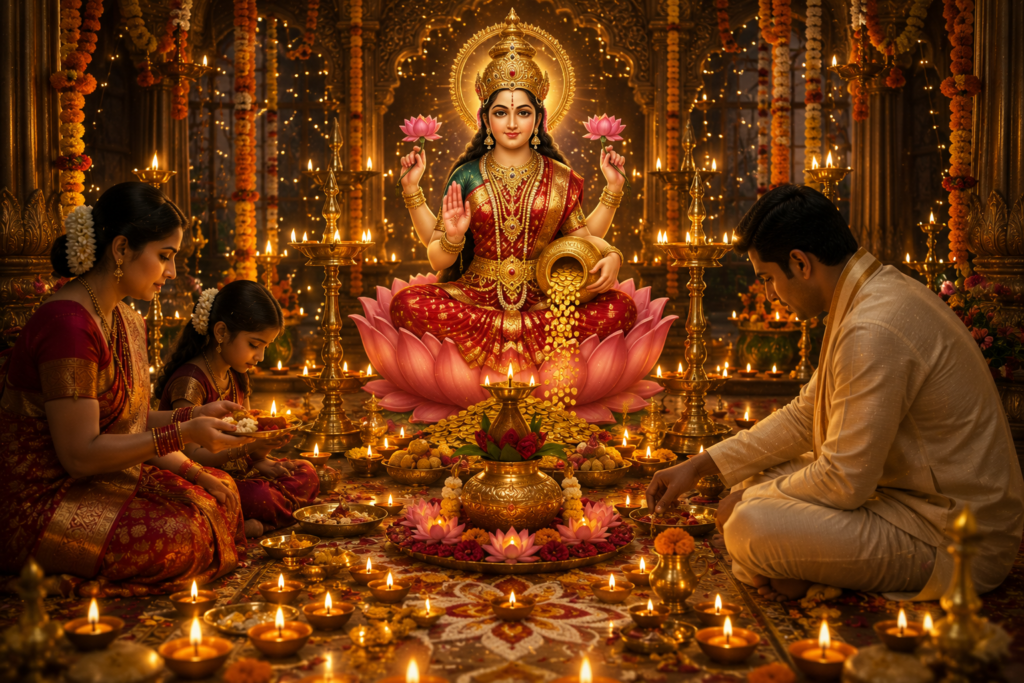
Follow these traditional steps for Lakshmi Puja:
- Clean and decorate the house thoroughly.
- Create a clean and sacred puja space.
- Place Lakshmi-Ganesha idols facing east or north.
- Light diyas at the entrance and throughout the home.
- Offer lotus flowers, fruits, sweets, and coins.
- Apply kumkum and akshat during worship.
- Chant Lakshmi mantras or recite Lakshmi Aarti.
- Pray for prosperity, harmony, wisdom, and spiritual growth.
- Distribute prasad among family members.
Puja Samagri for Diwali 2026
Prepare the following items before Lakshmi Puja:
- Lakshmi-Ganesha idols
- Diyas and ghee or oil
- Flowers and lotus flowers
- Kumkum
- Turmeric
- Akshat (rice)
- Coins
- Sweets
- Fruits
- Incense sticks
- Camphor
- Puja thali
- Kalash or water vessel
Benefits of Celebrating Diwali with Rituals
diwali-2026-lord-rama-return-ayodhya.jpg
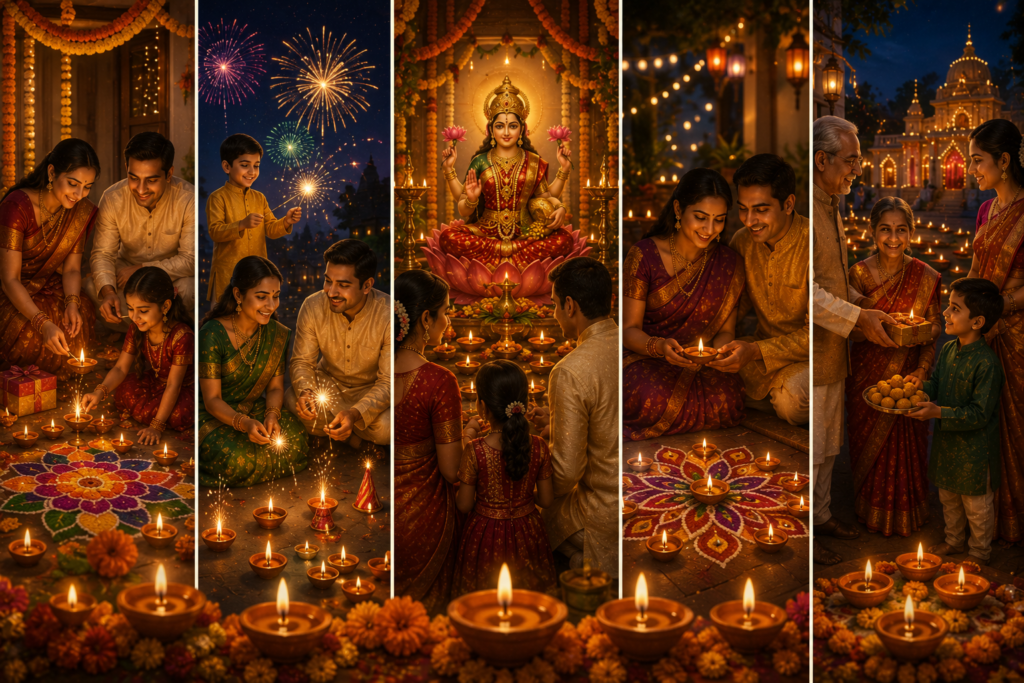
Observing Diwali with devotion and sincerity is believed to bring numerous blessings:
- Attracts prosperity and abundance
- Removes negativity from the home
- Strengthens family harmony
- Encourages gratitude and renewal
- Brings spiritual clarity and peace
- Promotes positive energy and auspicious beginnings
Common Mistakes to Avoid During Diwali
To make your celebrations more meaningful, avoid these common mistakes:
- Performing Lakshmi Puja at the wrong time
- Skipping cleanliness and preparation
- Treating rituals as mere formalities
- Ignoring the spiritual significance of the festival
- Excessive noise or unsafe practices
- Wasting food or resources during celebration
Frequently Asked Questions (FAQs)
Why is Diwali called the Festival of Lights?
Diwali is known as the Festival of Lights because people illuminate their homes, temples, and surroundings with diyas and lamps. The tradition commemorates Lord Rama’s return to Ayodhya and symbolizes the victory of light over darkness and good over evil.
What is the main story behind Diwali?
The most popular story associated with Diwali is the return of Lord Rama, Goddess Sita, and Lakshmana to Ayodhya after fourteen years of exile and Lord Rama’s victory over Ravana, the king of Lanka.
When is Diwali in 2026?
The main Diwali celebration and Lakshmi Puja will be observed on Sunday, November 8, 2026.
Which goddess is worshipped during Diwali?
Goddess Lakshmi, the deity of wealth, prosperity, and abundance, is worshipped on Diwali. Devotees also worship Lord Ganesha for wisdom, success, and the removal of obstacles.
Why is Lord Ganesha worshipped with Goddess Lakshmi?
Lord Ganesha is regarded as the remover of obstacles and the lord of wisdom. Worshipping him alongside Goddess Lakshmi is believed to bring both prosperity and the wisdom needed to use it wisely.
What are the five days of Diwali?
The five-day Deepavali festival consists of:
- Dhanteras
- Naraka Chaturdashi (Choti Diwali)
- Lakshmi Puja (Main Diwali)
- Govardhan Puja
- Bhai Dooj
Each day carries its own unique spiritual significance and traditions.
Why do people perform Lakshmi Puja on Diwali?
Lakshmi Puja is performed to seek the blessings of Goddess Lakshmi for prosperity, financial stability, happiness, and abundance. It is considered one of the most important rituals of the Diwali festival.
What does Diwali teach us?
Diwali teaches timeless values such as truth, righteousness, patience, gratitude, humility, and faith. The story of Lord Rama reminds us that goodness ultimately triumphs over evil and that light always overcomes darkness.
Can Diwali be celebrated without fireworks?
Yes. Diwali can be celebrated through diyas, prayers, charity, family gatherings, rangoli, devotional activities, and cultural traditions. Many families now choose eco-friendly celebrations that focus on the spiritual essence of the festival.
Why Do We Light Diyas During Diwali?
diwali-2026-lord-rama-return-ayodhya.jpg
Lighting diyas is one of the most beloved and recognizable traditions of Diwali.
According to the Ramayana, when Lord Rama, Goddess Sita, and Lakshmana returned to Ayodhya after fourteen years of exile, the people illuminated the entire kingdom with rows of oil lamps to welcome their beloved prince home.
These glowing lamps transformed Ayodhya into a city of light and joy, marking the victory of righteousness over evil and hope over despair.
However, the significance of diyas extends far beyond this historical celebration.
In Hindu philosophy, light symbolizes:
- Knowledge over ignorance
- Truth over falsehood
- Hope over despair
- Positivity over negativity
- Spiritual awakening over darkness
Every diya lit during Diwali serves as a reminder to remove negativity from our lives and fill our hearts with wisdom, compassion, and devotion.
Many devotees also believe that a brightly illuminated home welcomes Goddess Lakshmi, inviting prosperity, abundance, and good fortune into the household.
This is why homes, temples, streets, and workplaces are beautifully decorated with countless diyas during the festival of lights.
Life Lessons from the Story of Lord Rama
The story behind Diwali offers valuable lessons for modern life:
- Always uphold truth and righteousness.
- Honor commitments and responsibilities.
- Practice patience during difficult times.
- Remain humble despite success and power.
- Trust that goodness ultimately triumphs over evil.
- Cultivate devotion, gratitude, and compassion.
Conclusion
Diwali is much more than a festival of lights. It is a celebration of faith, righteousness, prosperity, gratitude, and spiritual awakening.
The return of Lord Rama to Ayodhya reminds us that no matter how difficult the journey may be, truth and virtue ultimately prevail. The lighting of diyas symbolizes the removal of darkness from both our homes and our hearts.
As we celebrate Diwali 2026, may Goddess Lakshmi bless every home with prosperity, Lord Ganesha remove all obstacles, and the timeless teachings of Lord Rama inspire us to walk the path of dharma.
Happy Diwali 2026! May your life be filled with light, peace, prosperity, and divine blessings.
If this story moved you, share it.
Explore more in Festival →