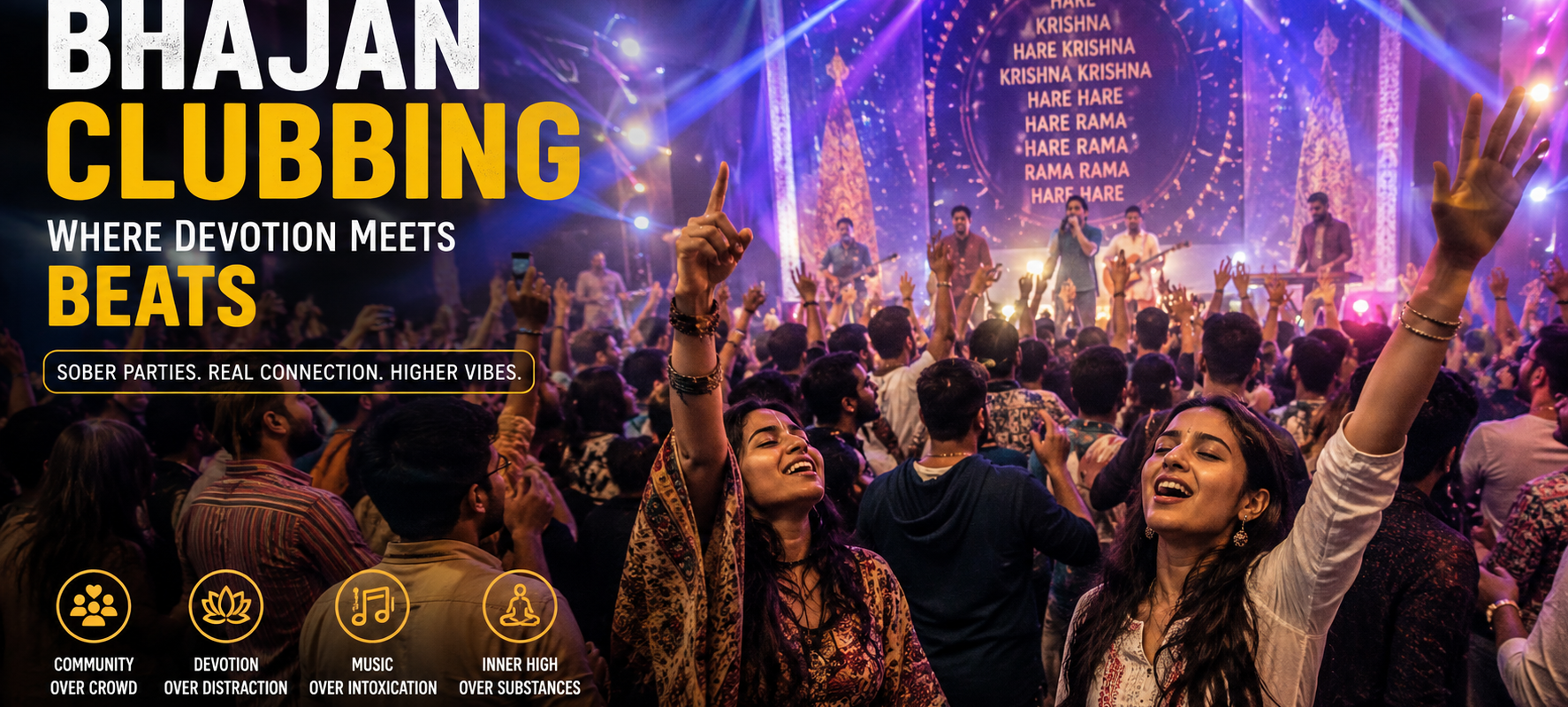
Bhajan Clubbing is emerging as one of India's most fascinating cultural trends, where traditional devotional music meets modern electronic beats. Driven by Gen Z's search for community, meaning, and alcohol-free entertainment, these high-energy kirtan events are redefining spirituality for a new generation. This blog explores why devotional music is becoming the soundtrack of modern youth culture.
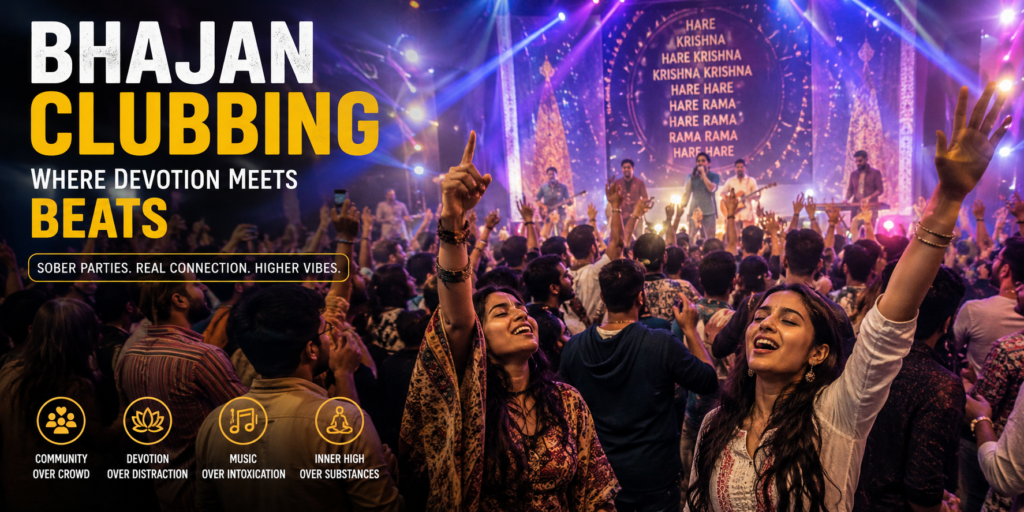
Imagine walking into a packed venue on a Saturday night.
The lights are flashing.
People are dancing.
Everyone is singing together.
The energy feels electric.
But there is one thing missing.
No alcohol.
No smoke.
No late-night chaos.
Instead, hundreds of young people are chanting:
“Hare Krishna Hare Krishna…”
Welcome to the world of Bhajan Clubbing — perhaps the most surprising spiritual trend of 2026.
A New Kind of Party is Emerging
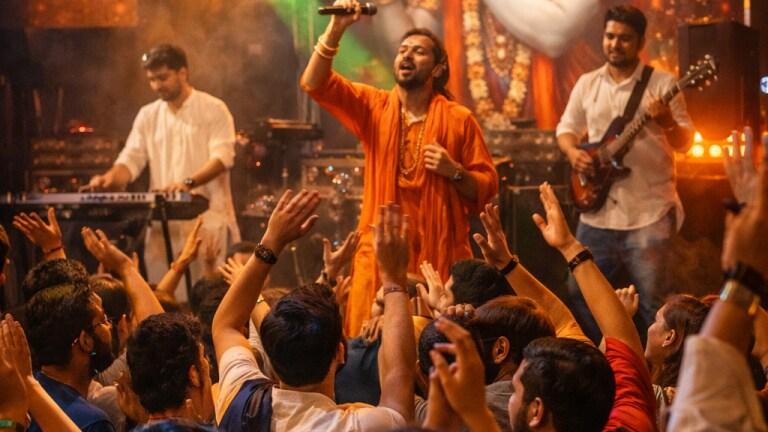
For decades, nightlife was associated with loud clubs, expensive drinks, and temporary escape.
Today, many young Indians seem to be looking for something different.
They still want music.
They still want community.
They still want excitement.
But they also want meaning.
That desire has given birth to a cultural phenomenon now popularly known as Bhajan Clubbing or Bhajan Jamming.
These events combine traditional bhajans, kirtans, and mantras with modern electronic music, live instruments, professional lighting, and immersive experiences.
Think of it as a spiritual concert, music festival, and meditation session happening at the same time.
Why Is Bhajan Clubbing Becoming So Popular?
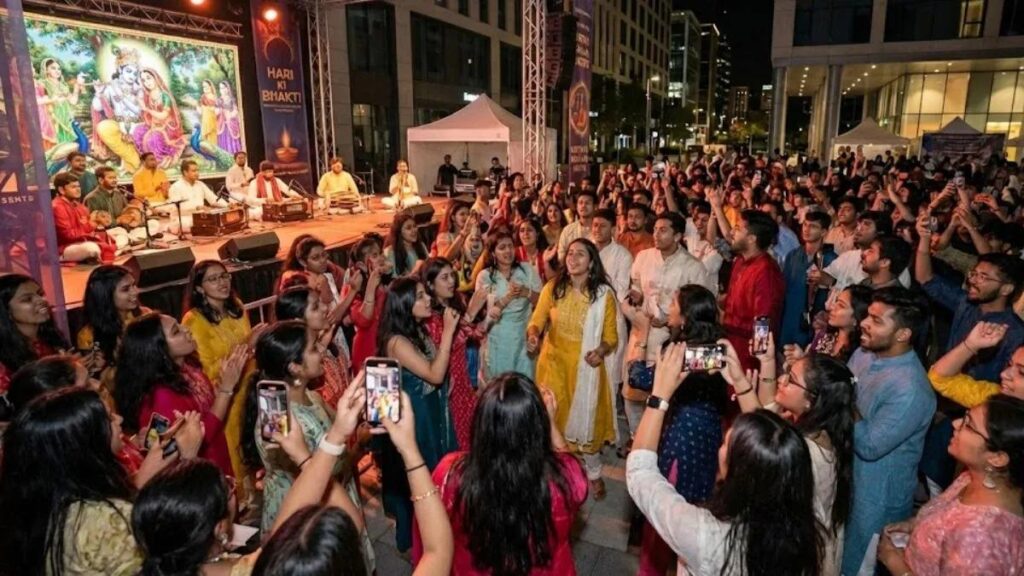
The answer goes deeper than music.
Many young people today are experiencing something previous generations never faced at this scale:
- Constant social media exposure
- Information overload
- Digital fatigue
- Anxiety and burnout
- Feelings of loneliness despite being constantly connected
After spending entire days online, many are searching for experiences that feel real.
Not virtual.
Not filtered.
Not performative.
Real.
A room full of people singing together creates a sense of belonging that no smartphone notification can replicate.
And perhaps that is why devotional music is finding a surprising audience among Gen Z.
The Return of Collective Joy
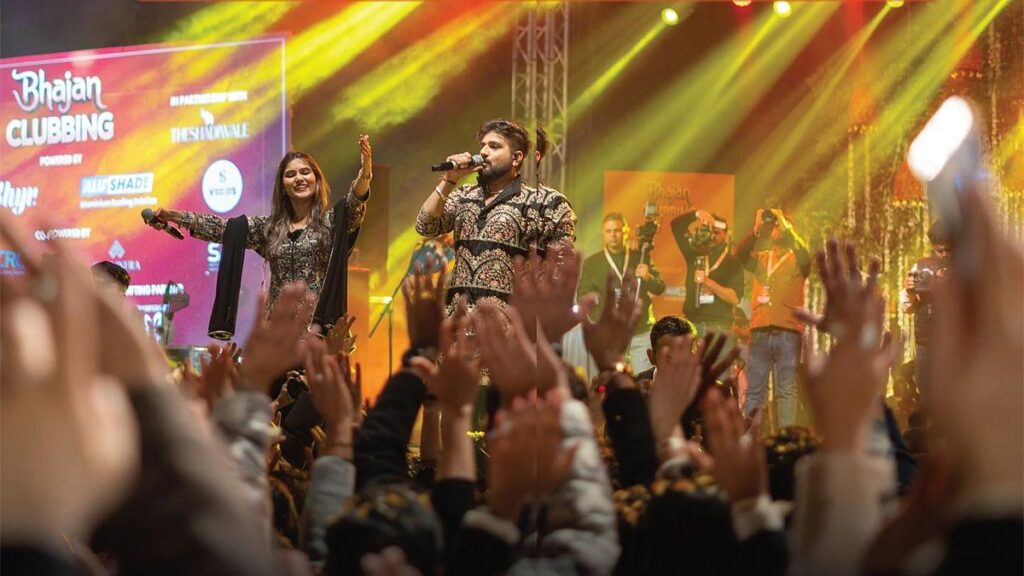
One of the most beautiful aspects of Bhajan Clubbing is the feeling of collective participation.
Nobody comes merely to watch.
Everyone becomes part of the experience.
When hundreds of voices chant together, something changes.
Even people who arrive out of curiosity often describe feeling unexpectedly peaceful.
Ancient traditions always understood this.
Kirtan was never designed as a performance.
It was designed as a shared experience.
The modern version simply uses today’s language—sound systems, DJs, visuals, and contemporary production—to communicate the same timeless message.
From EDM to Krishna Beats
A fascinating shift is happening.
Many young people who once spent weekends at nightclubs are now attending devotional music gatherings.
This does not necessarily mean they have become deeply religious overnight.
Rather, they are seeking experiences that leave them feeling energized instead of exhausted.
At a typical party, the excitement often disappears by the next morning.
At a bhajan gathering, participants frequently report feeling lighter, calmer, and more connected.
That difference matters.
The Rise of Sober Parties
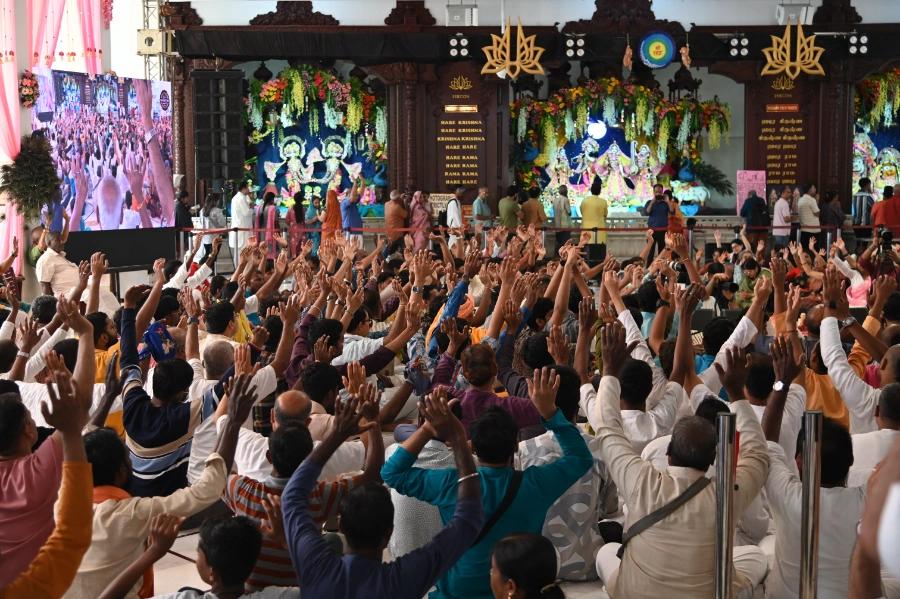
Perhaps the biggest reason behind this trend is the rise of the Sober Party Movement.
Young people are increasingly questioning whether alcohol is necessary for enjoyment.
Bhajan Clubbing offers an alternative.
The energy comes from:
- Music
- Rhythm
- Community
- Dance
- Devotional chanting
In other words, the “high” comes from participation rather than consumption.
For many attendees, this feels refreshing.
Social Media Didn’t Create It—But It Accelerated It
Ironically, the same platforms often blamed for digital fatigue are helping spread this movement.
Short videos showing packed devotional concerts, ecstatic chanting, and energetic kirtan sessions regularly attract millions of views.
A 15-second reel of hundreds of people dancing to a Krishna chant can instantly challenge stereotypes about spirituality being boring or outdated.
Young viewers see something unexpected:
Spirituality that feels alive.
And that curiosity brings them through the door.
Is This a Trend or a Transformation?
That is the bigger question.
History shows that every generation reinvents spiritual expression in its own way.
Previous generations gathered around temples.
Later generations discovered spiritual discourses through television.
Today, many are discovering devotion through music festivals and kirtan gatherings.
The format changes.
The essence remains the same.
Whether accompanied by a harmonium or electronic beats, the human longing for connection, peace, and transcendence remains unchanged.
What Ancient India Already Knew
Long before modern psychology studied community well-being, Indian spiritual traditions emphasized:
- Collective chanting
- Music as meditation
- Community gatherings
- Emotional expression through devotion
Bhajan Clubbing may look modern on the surface.
But at its core, it revives an ancient insight:
Humans heal better together.
Perhaps that is why so many young people feel drawn to these gatherings.
They are not merely attending a concert.
They are participating in something larger than themselves.
Final Thoughts
The rise of Bhajan Clubbing is not just about music.
It reflects a deeper cultural shift.
A generation overwhelmed by endless scrolling is searching for genuine experiences.
A generation surrounded by noise is rediscovering sacred sound.
And a generation often described as disconnected is finding community through collective chanting.
Maybe the most surprising trend of 2026 is not that young people are dancing to devotional music.
Maybe it is that ancient wisdom still knows how to move modern hearts.
As bass drops merge with bhajans and temples meet technology, one thing becomes clear:
Spirituality is not disappearing.
It is simply finding a new rhythm.
If this story moved you, share it.
Explore more in Digital Age Spirituality →